Ecotourism: Beyond the Experience
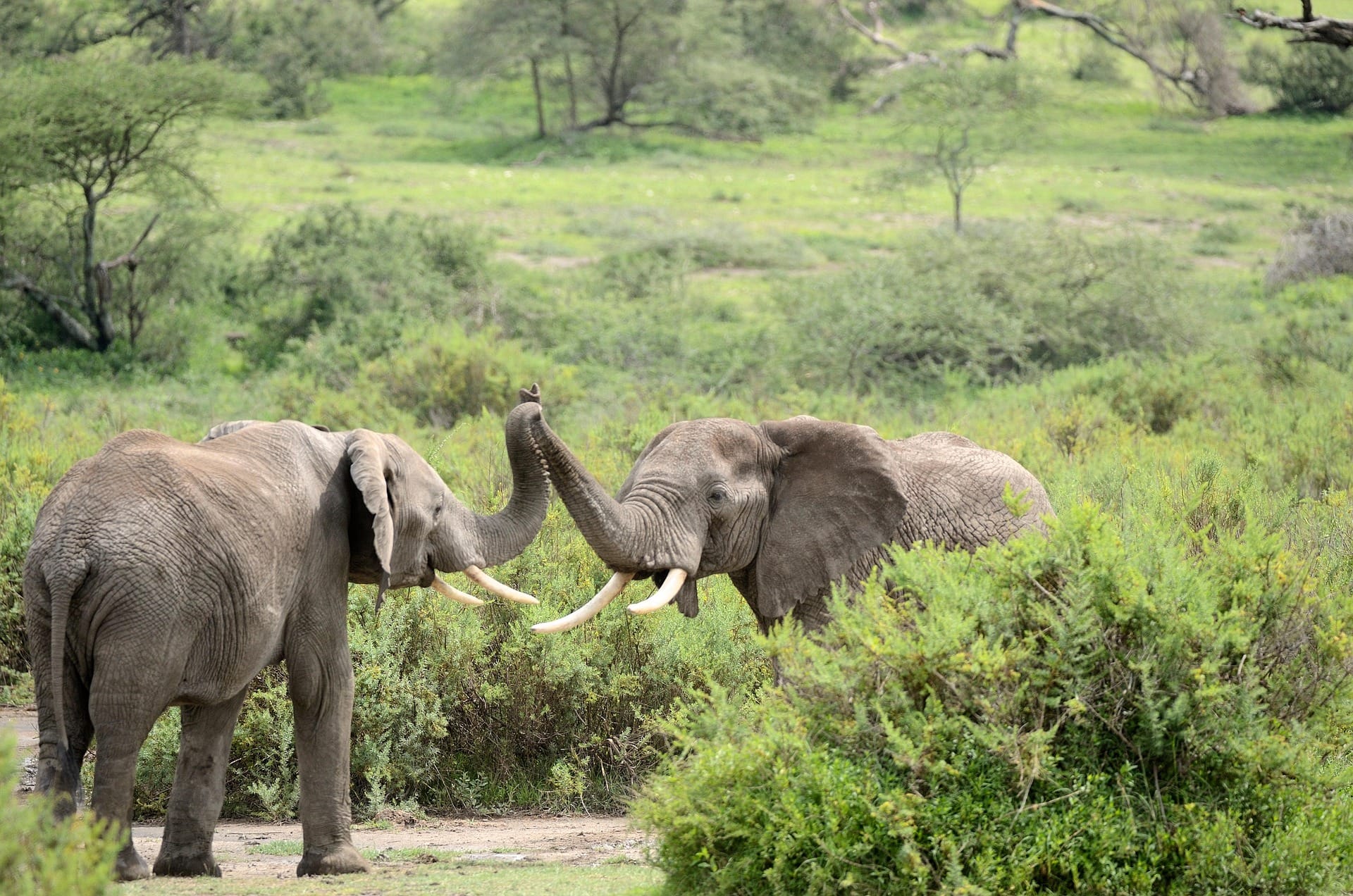
When we plan a trip, we often begin with a destination. We look at the landscapes, attractions, wildlife and experiences that make a place worth visiting. We book accommodation, plan our routes and make a list of things we hope to see. But how often do we consider what existed in that place long before it became a destination? Who lived there? What histories shaped the landscape? What relationships have communities developed with its wildlife, forests, rivers and coastlines? And what happens to these relationships when a place becomes a popular tourist attraction?
A landscape is rarely just a beautiful backdrop. It is an ecosystem, a home, a source of livelihood and, for many communities, an important part of cultural identity. Perhaps the way we think about travel needs to extend beyond what we hope to experience and towards what it means to enter a place with respect.
This is where the idea of sustainable tourism comes in. It asks a bigger question of the entire travel industry: how can tourism meet the needs of visitors and the places they visit without compromising the environment, local cultures or the livelihoods of future generations? And this applies far beyond national parks. It matters in cities, coastal towns, cultural heritage sites and rural communities just as much as it does in natural landscapes.
Ecotourism takes this thinking into natural environments. The term is commonly credited to Mexican environmentalist Héctor Ceballos-Lascuráin, who used it in 1983 while advocating for the protection of important flamingo habitats in Mexico's Yucatán Peninsula. He saw an opportunity for visitors interested in nature to contribute to conservation while creating economic opportunities for rural communities.
At its heart, ecotourism is travel to natural areas in a way that supports conservation, respects local people and creates meaningful benefits for the communities connected to those places. It is not simply about visiting somewhere beautiful or choosing accommodation simply labelled eco-friendly. It is about how tourism is organised, who benefits from it, and whether the natural and cultural heritage that attracts visitors is better protected because they came.
Rwanda's Volcanoes National Park offers one example. Mountain gorilla tourism is carefully managed, with visitor numbers restricted and time spent with the gorillas limited to one hour. These rules are not there to make the experience more exclusive; they help reduce disturbance and the risk of disease transmission to an endangered species. Rwanda also directs 10 per cent of national park tourism revenue towards community development around protected areas. The experience of seeing a gorilla is therefore connected to a much larger system of protection, regulation and community benefit.
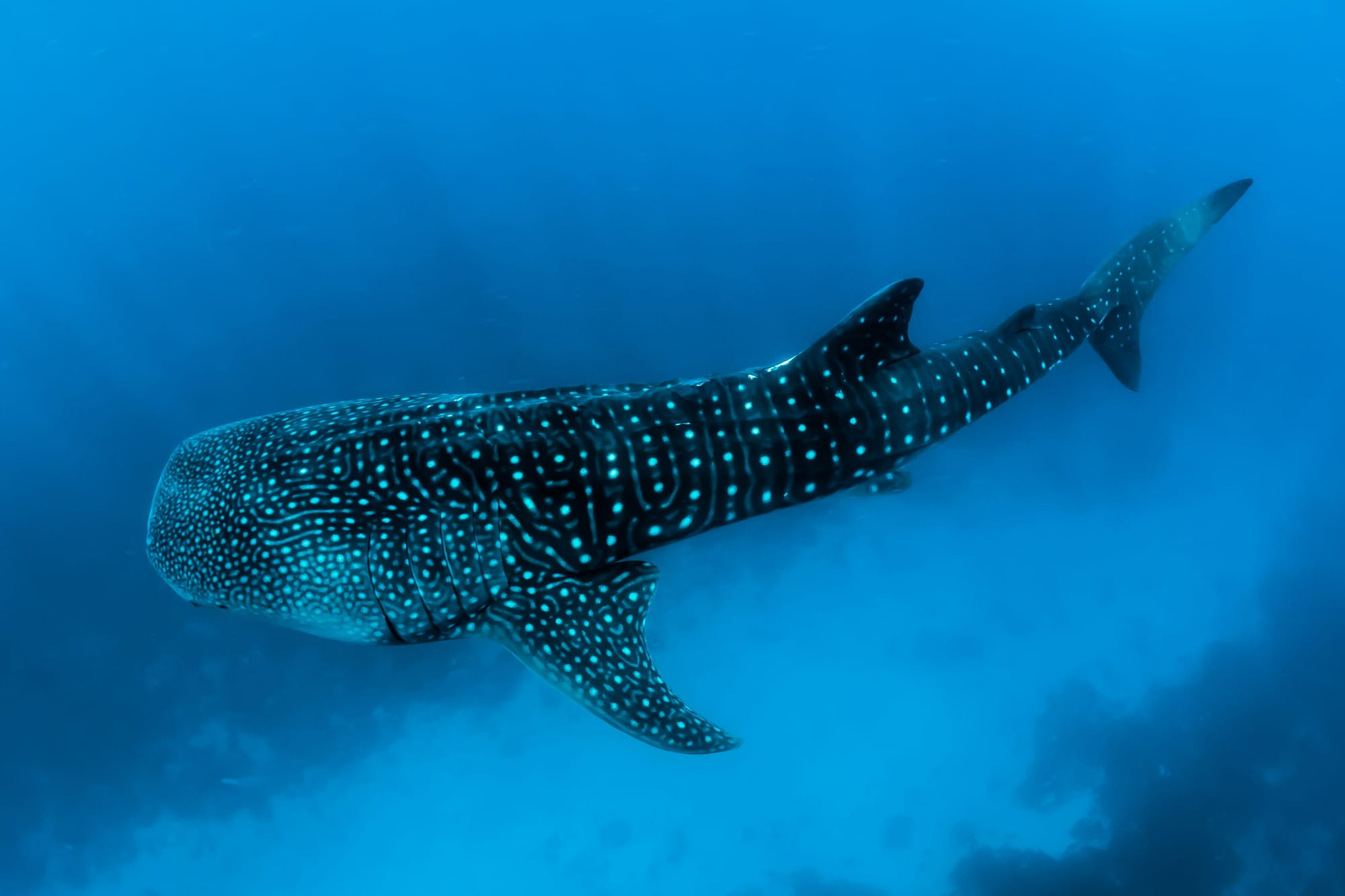
In Donsol, in the Philippines, visitors can encounter whale sharks through a community-based tourism programme. The experience is guided and regulated, with rules against touching, chasing, feeding or crowding the animals. Sightings are not guaranteed. That last point matters. Wildlife tourism should not promise that nature will perform on demand. Sometimes the most responsible encounter is one in which the animal is allowed to go about its life, whether or not a visitor gets the photograph they hoped for.
Namibia's communal conservancies offer another perspective. Here, communities have established locally governed systems for managing wildlife and natural resources, working with tourism operators and lodges to generate income, employment and other benefits. These arrangements are not without challenges, and not every conservancy benefits equally. But they illustrate an important principle: conservation can be strengthened when the people who live alongside wildlife have a meaningful role in managing it and a stake in its future.
You might be wondering how this differs from nature tourism or sustainable tourism. Nature tourism is essentially about the experience: travelling to see wildlife, forests, mountains, rivers or other natural attractions. Sustainable tourism is the broader approach to managing tourism responsibly, wherever it takes place. Ecotourism brings these ideas together in natural settings, but with a particular emphasis on conservation, learning and local community benefits. A wildlife holiday can be nature tourism without necessarily being ecotourism. The difference is not always in where we go, but in how that visit is planned and what it contributes.
And that brings us back to the people who call these places home. Natural landscapes do not exist separately from human history. Many communities have lived with, understood and cared for these ecosystems for generations, developing knowledge of seasonal patterns, wildlife behaviour, plants, water and land management. Their relationship with a place is part of its history and identity. Their knowledge, rights and voices must matter in decisions about how land and natural resources are managed. The benefits of tourism should reach them, and their understanding of a place should shape the way it is experienced.
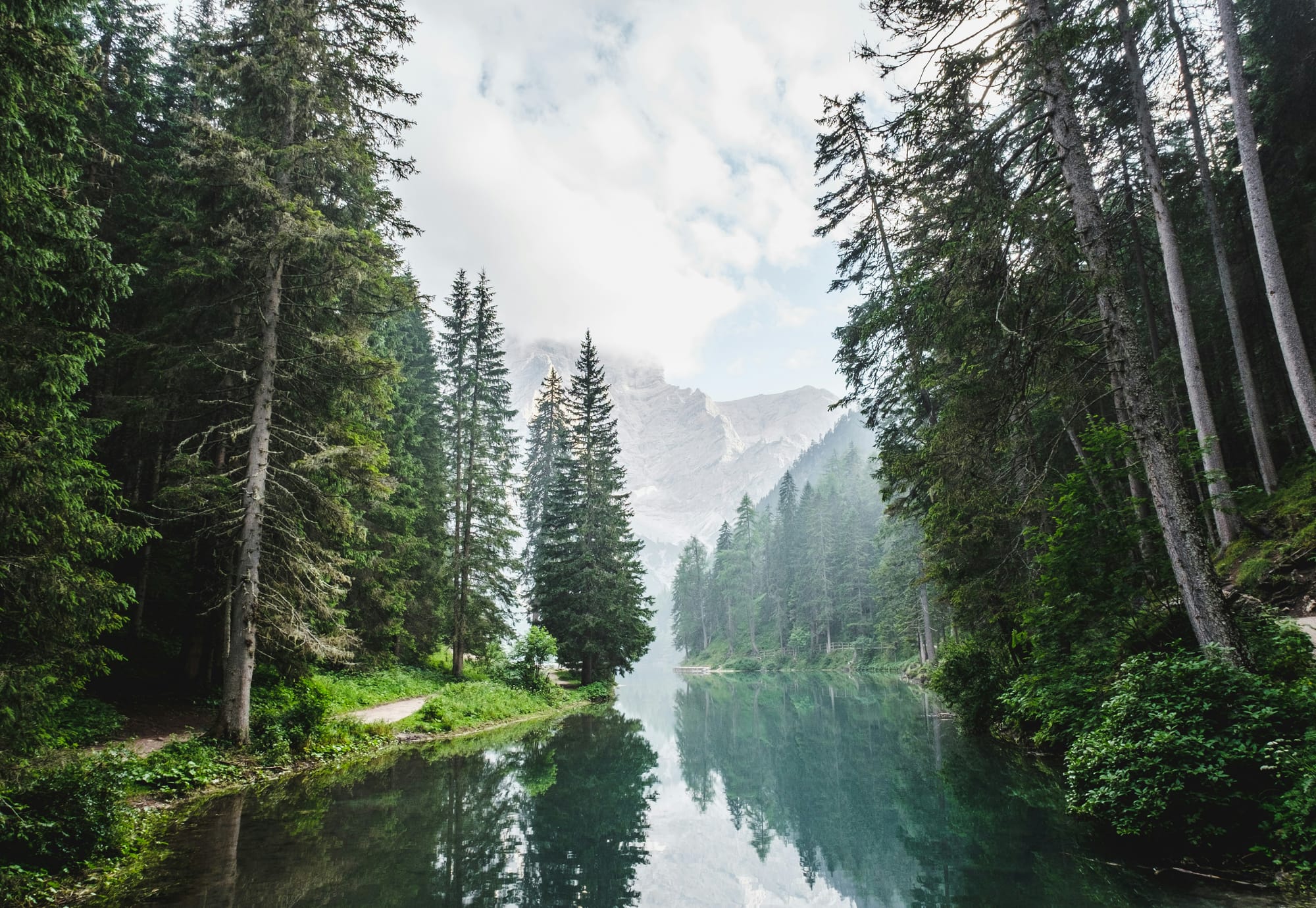
But even with the best intentions, there is a contradiction at the heart of wildlife tourism. We travel because we love nature. We want to see animals in their natural habitats, witness extraordinary moments and feel close to the wild. Yet our presence can sometimes become part of the pressure those places face.
During a recent visit to the Maasai Mara, I found myself watching a cheetah surrounded by nearly twenty safari vehicles. We were all waiting, cameras ready, anticipating a hunt. The animal never made the move we had anticipated.
Individually, each vehicle was there for an understandable reason. We had travelled to experience wildlife in its natural environment. Collectively, however, our presence created an extraordinary amount of attention around one animal. It made me question the relationship between wildlife tourism and the very wildlife it seeks to celebrate.
Perhaps responsible travel begins with recognising that we are guests. We do not own the landscapes we visit, the wildlife we hope to photograph or the cultures we are curious about. We can choose to follow the rules, respect boundaries, listen to local voices, support businesses that contribute meaningfully to communities and leave behind as little disturbance as possible.
The measure of a meaningful journey might be more than the photographs we bring home or the number of wildlife sightings we can recount. It might also be the histories we learn, the people we meet, the knowledge we carry with us and the understanding we gain of what it takes to protect a place.
When we leave, what have we taken away from the experience, and what have we left behind?
Because perhaps the greatest privilege of travel is not simply getting to see a place. It is being welcomed into it, even briefly, and leaving with a deeper appreciation of everything that makes it worth protecting.
Sincerely,
Blue