Wild Animals Are Not Pets

In true holiday fashion, I found myself revisiting some of my favourite animations, yes I am still obsessed with them. But this time, something was different. I rewatched Finding Nemo not just as a comfort watch, but through a lens shaped by recent work and learning. What followed was a series of quiet realisations I hadn’t expected from a film I thought I already knew by heart.
Beyond the fact that early 2000s animations were genuinely top-tier, Finding Nemo is remarkably educational, specifically marine education. In just over an hour, the film introduces us, often subconsciously, to the complexity of coral reef ecosystems. Clownfish and their symbiotic relationship with sea anemones. Manta rays gliding through open water. Sea turtles navigating vast ocean currents. Much of what I recently researched while writing about coral reefs appeared, almost casually, woven into the story. Did you know Dory is a Regal Blue Tang? Such a striking species of fish.
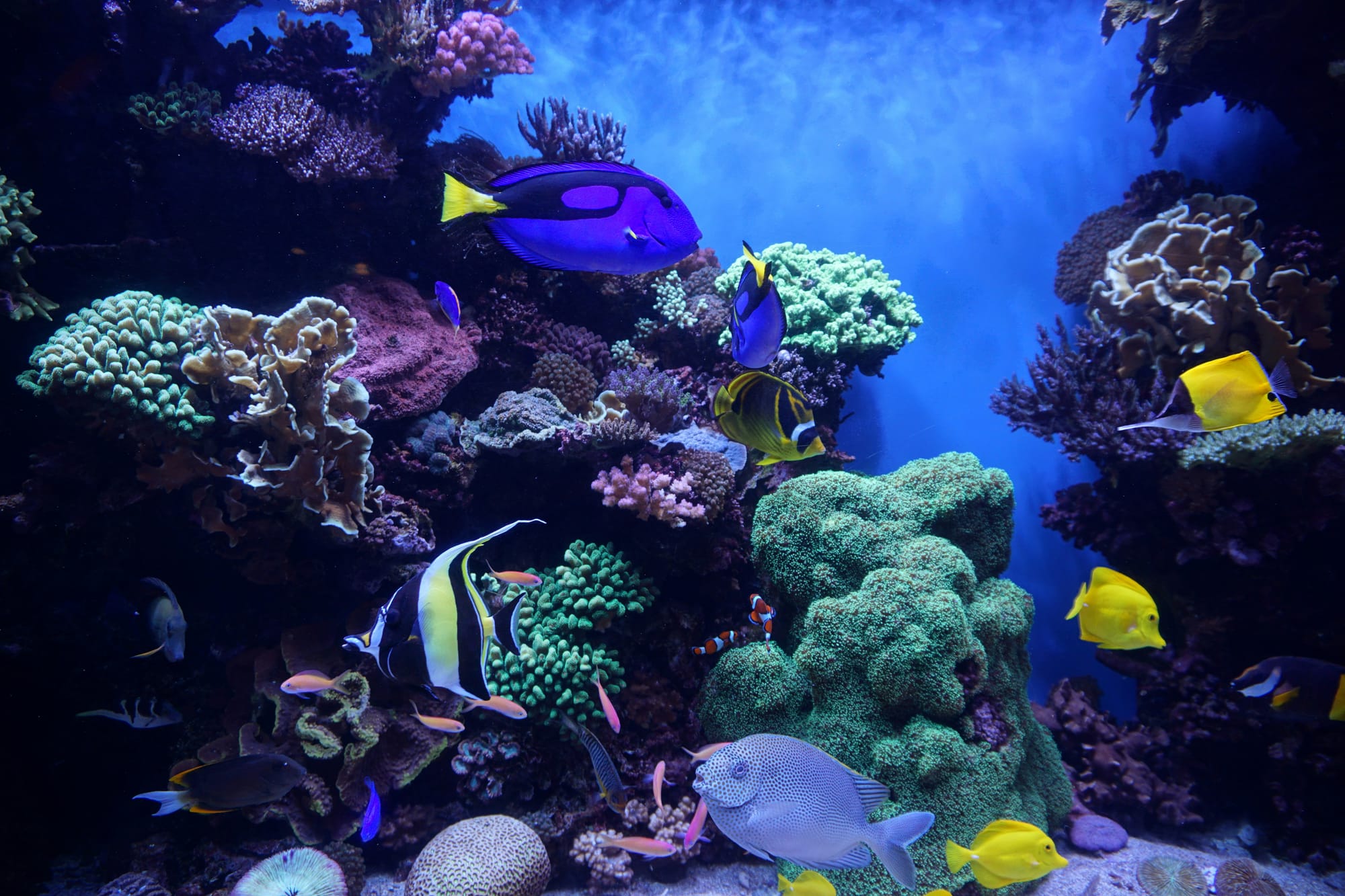
Animations have an unmatched ability to educate without instruction, to seed curiosity long before formal learning begins. For children especially, films like Finding Nemo quietly build familiarity with marine life, shaping how future generations might relate to the ocean and its inhabitants.
In my mind, Finding Nemo truly started once Marlin set out across the ocean, guided by chance encounters and unexpected allies. But the real story starts much earlier, in loss.
Marlin is not simply an overprotective father. He is a survivor of sudden, violent trauma. He loses his partner and nearly all his offspring in a single moment. Nemo is not just his son; he is what remains. Every fear Marlin carries is rooted in grief, and every warning he gives is shaped by the memory of how quickly a life and a family can be erased.
When Nemo is taken by a diver, the moment lands so heavily because we understand this context instinctively. A child is separated from his parent. A home is violated. A bond is broken. The ocean does not simply lose a fish; it loses a family unit.
Nemo’s capture is brief, almost understated. A plastic bag. A boat. A glass tank. But that subtlety mirrors reality. Wildlife extraction often appears unassuming at first glance. It is often framed as harmless, curious, even educational. Nemo ends up in a dentist’s aquarium, clean, admired, fed. From the outside, it appears safe.
Yet everything about it is wrong.
The aquarium is not home. It is a simulation of life, stripped of autonomy, ecological role, and choice. Nemo survives, adapts, even forms friendships but survival is not the same as belonging. His body, instincts, and purpose are built for open water, not glass walls.
This is where Finding Nemo quietly intersects with a far more uncomfortable truth: wildlife as exotic pets.
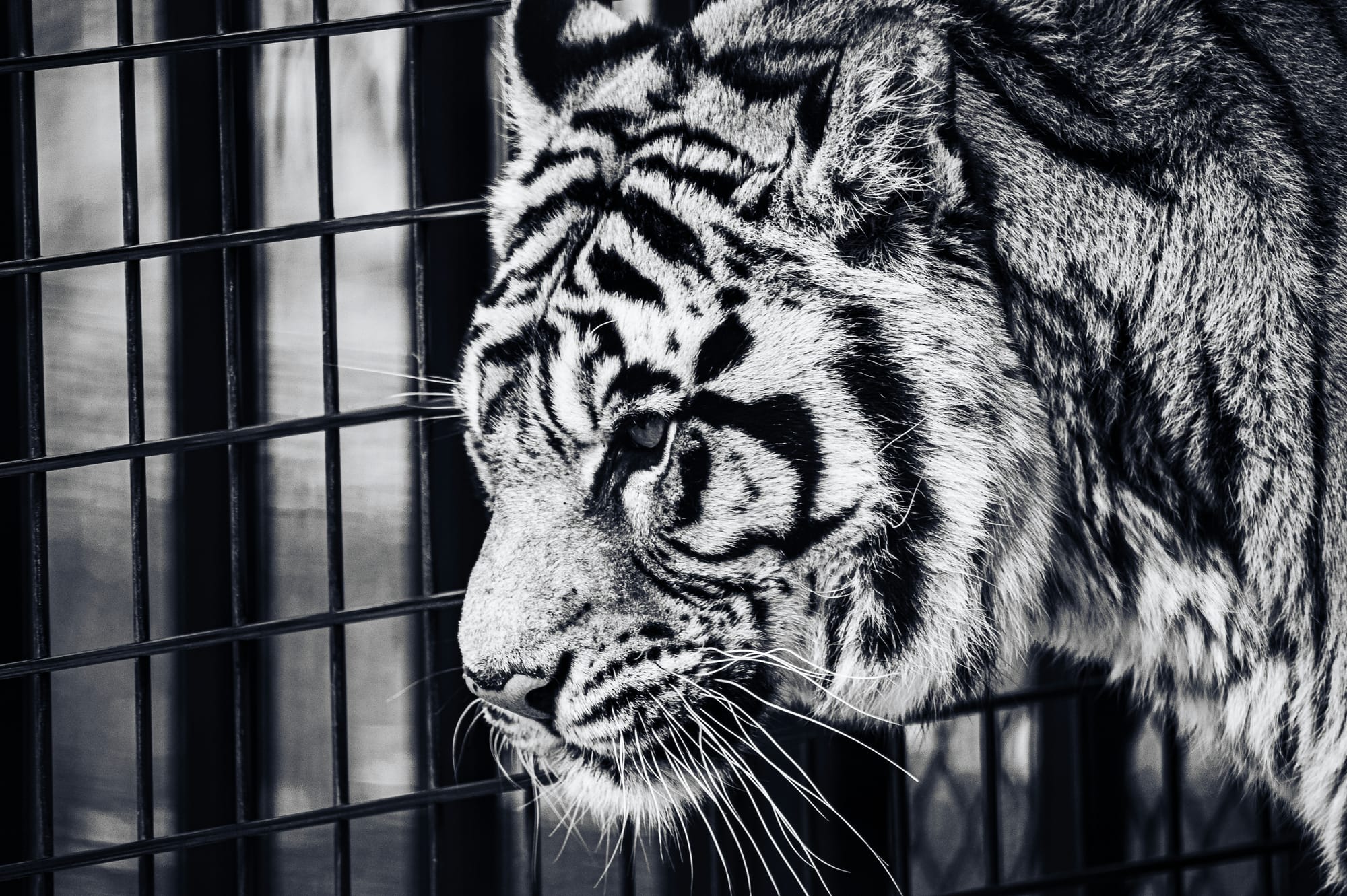
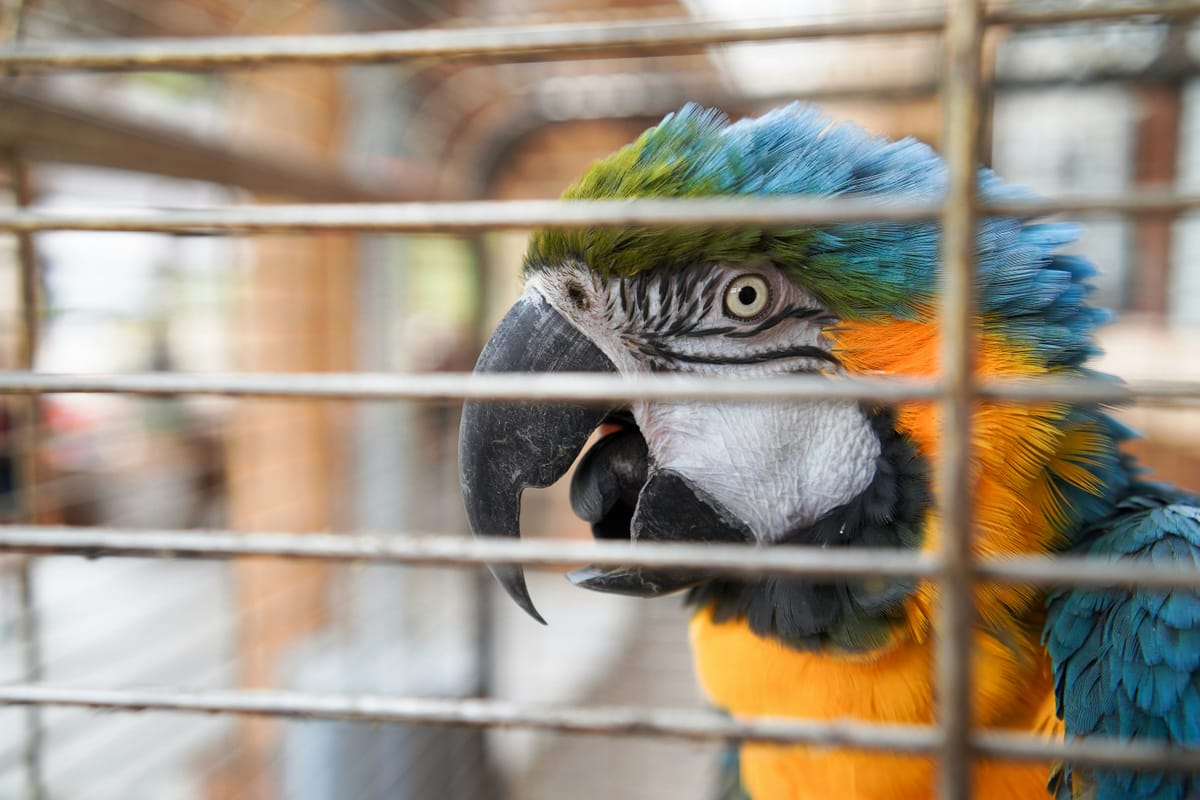
Every day, animals are removed from their natural habitats and placed into human-controlled environments for entertainment, status, or novelty. Reptiles, birds, mammals, fish, and invertebrates are bought and sold as “unique” companions. Highly intelligent birds like the African grey parrot, a stunning bird with grey and red plumage that used to grace our skies reduced to the confines of our homes. Ball pythons, evolved to roam, hunt, and regulate themselves across complex environments, end up confined to glass enclosures in living rooms.
These animals may be fed, protected, even cared for, but they do not belong there. Captivity in private homes does not meet their ecological, behavioural, or psychological needs. It is not rescue; it is removal. And the outcome remains the same: wild animals living lives shaped by human convenience rather than their own nature.
What happened to Nemo is not fiction. It is routine.
The global wildlife trade drives devastating biodiversity loss, pushing species toward extinction while simultaneously fuelling organised crime. Animals are frequently injured or die during capture and transport, with losses compounded long before they ever reach their final destination. Even those that survive face lives removed from their ecological roles, contributing to population declines and destabilised ecosystems (UN ECOSOC, 2003).
The reasons people buy exotic pets are complex. For many, it’s a desire for something unique or impressive; for others, it’s a status symbol or a hobbyist fixation. But unlike domesticated cats or dogs, wild species are not adapted to life in human homes. They require specialised diets, huge territories, precise climates, and social structures that simply cannot be recreated in captivity. As a result, captive wild animals often suffer stress, malnutrition, improper care, behavioural torment, and shortened lifespans (The Exotic Pet Trade, n.d.).
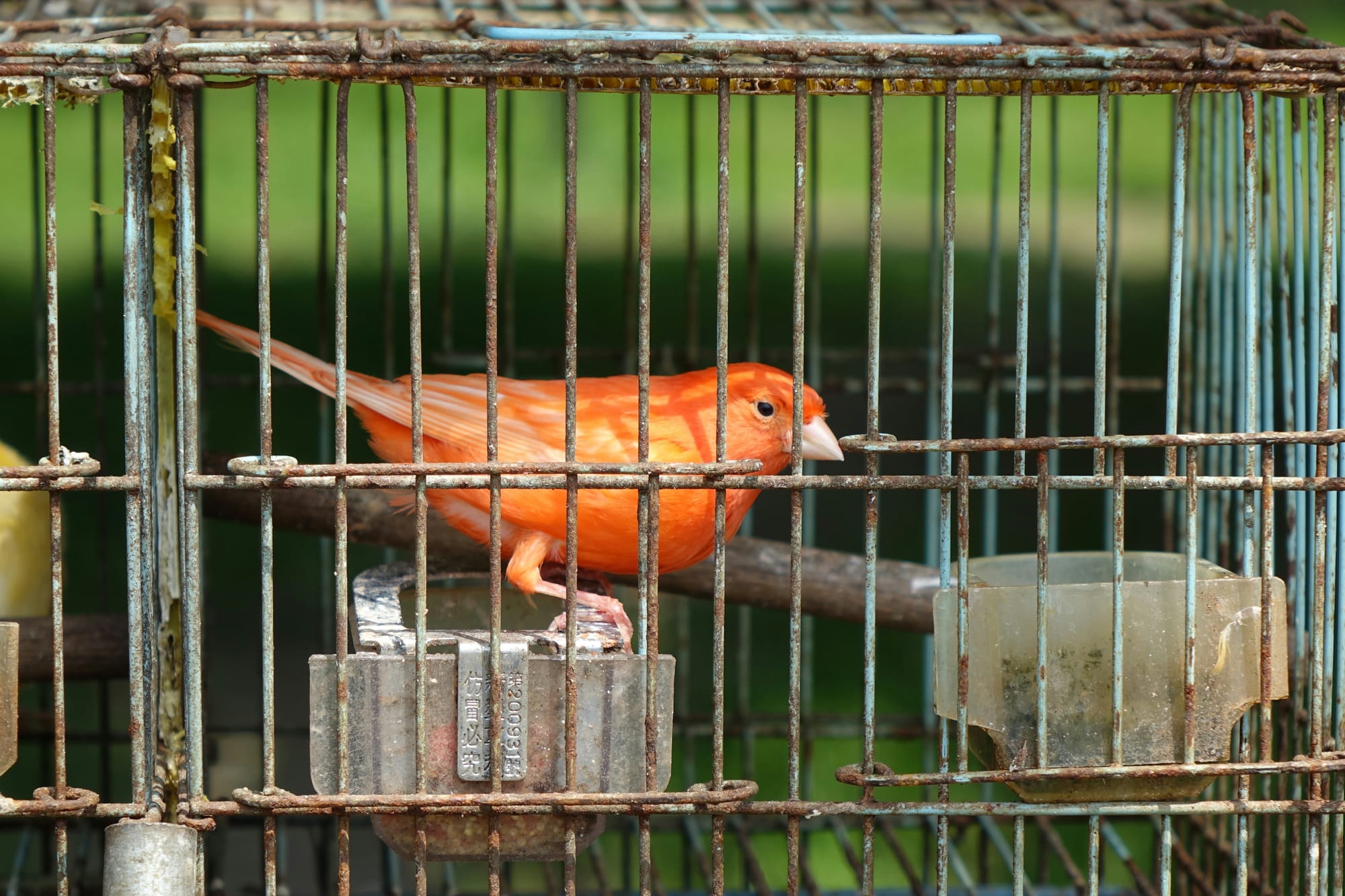
The ecological consequences are equally severe. Removing animals from the wild can deplete native populations, sometimes by up to 70% in certain species, and can disrupt entire ecosystems. Moreover, the demand for these pets feeds both legal and illegal trafficking networks a multibillion-dollar industry that undermines conservation efforts, pushes vulnerable species closer to extinction, and can even introduce invasive organisms or disease into new environments.
And yet, beyond the statistics and the seizures, this is ultimately a story about belonging.
Every animal taken into the exotic pet trade was once part of a living system, a landscape, a rhythm, a family. Like Nemo, they came from somewhere. They were known. They were connected.
Unlike Marlin, their parents cannot cross oceans in search of them. There is no rescue arc, no triumphant return written into their stories. Their absence is simply absorbed by the wild, often unnoticed, often unrecorded.
That is where our responsibility begins.
We have something rare in the natural world: the power of choice.
We can choose not to confuse admiration with ownership, or curiosity with entitlement.
We can choose to let wild animals remain where they are most whole. In the environments that shaped them, among the relationships that give their lives meaning.
Home, as Finding Nemo quietly reminds us, is not where an animal survives, it is where it belongs.
Sincerely,
Blue 💙
References:
The exotic pet trade. (n.d.). Eurogroup for Animals.
Adetayo, O. (2025, August 5). Nigerian customs seize over 1,600 parrots and canaries in major wildlife trafficking bust | AP News. AP News.
Nearly 30,000 animals were rescued in a monthlong anti-trafficking operation led by Interpol | AP News. (2025, December 11). AP News.
Wildlife, Forest & Fisheries Crime Module 1 Key issues: Implications of Wildlife Trafficking. (n.d.).