Dearest Mum, Lessons from Nature’s Greatest Mothers

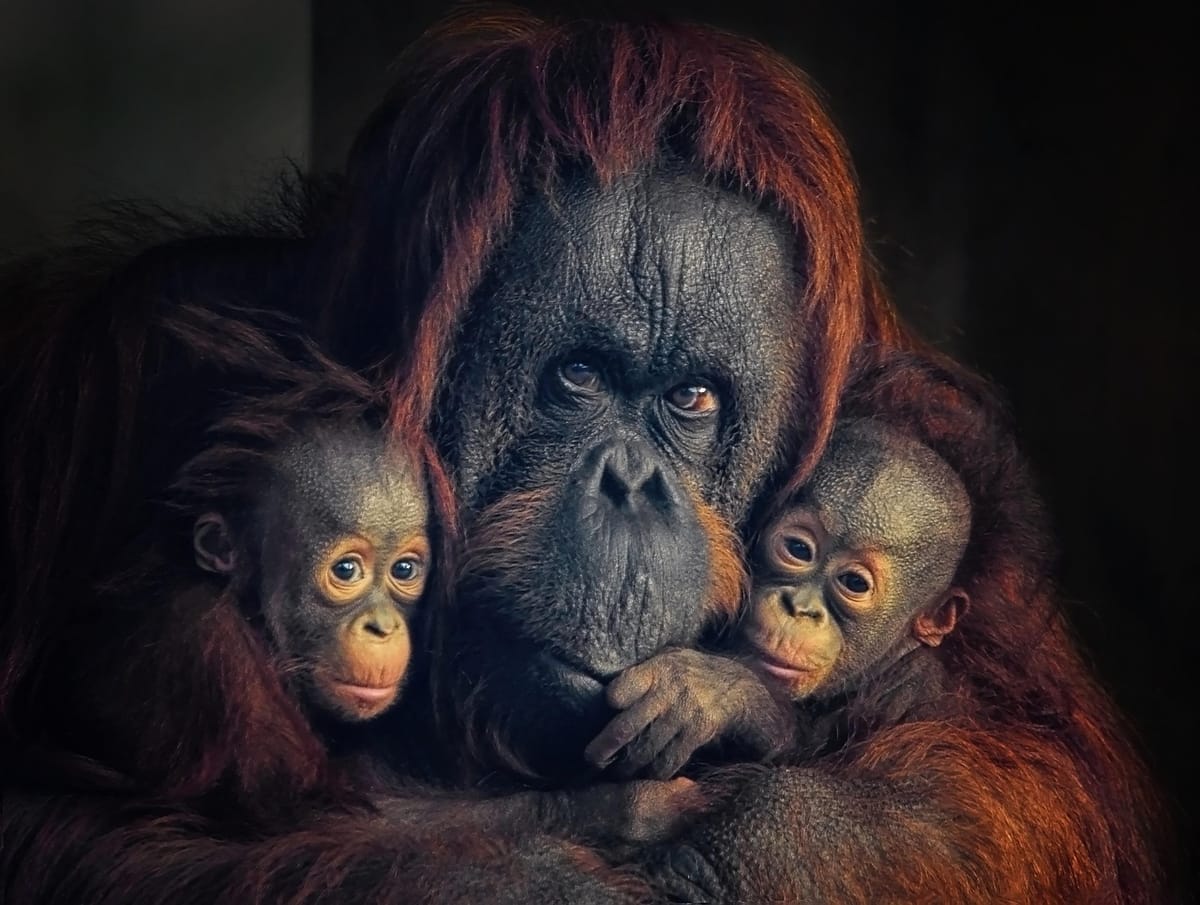
Some women hold the world together quietly. Not loudly. Not for applause. But with a steadiness that feels like gravity itself.
This piece has lived in my heart for a while, researched with intention, written with tenderness, and carried with gratitude.
Through the gentle giants and brilliant mothers of the wild, I celebrate the quiet heroism of women everywhere and the woman who taught me what love looks like in action. Mum.
The Elephant, Memory, Matriarchs, and the Longest Waiting...
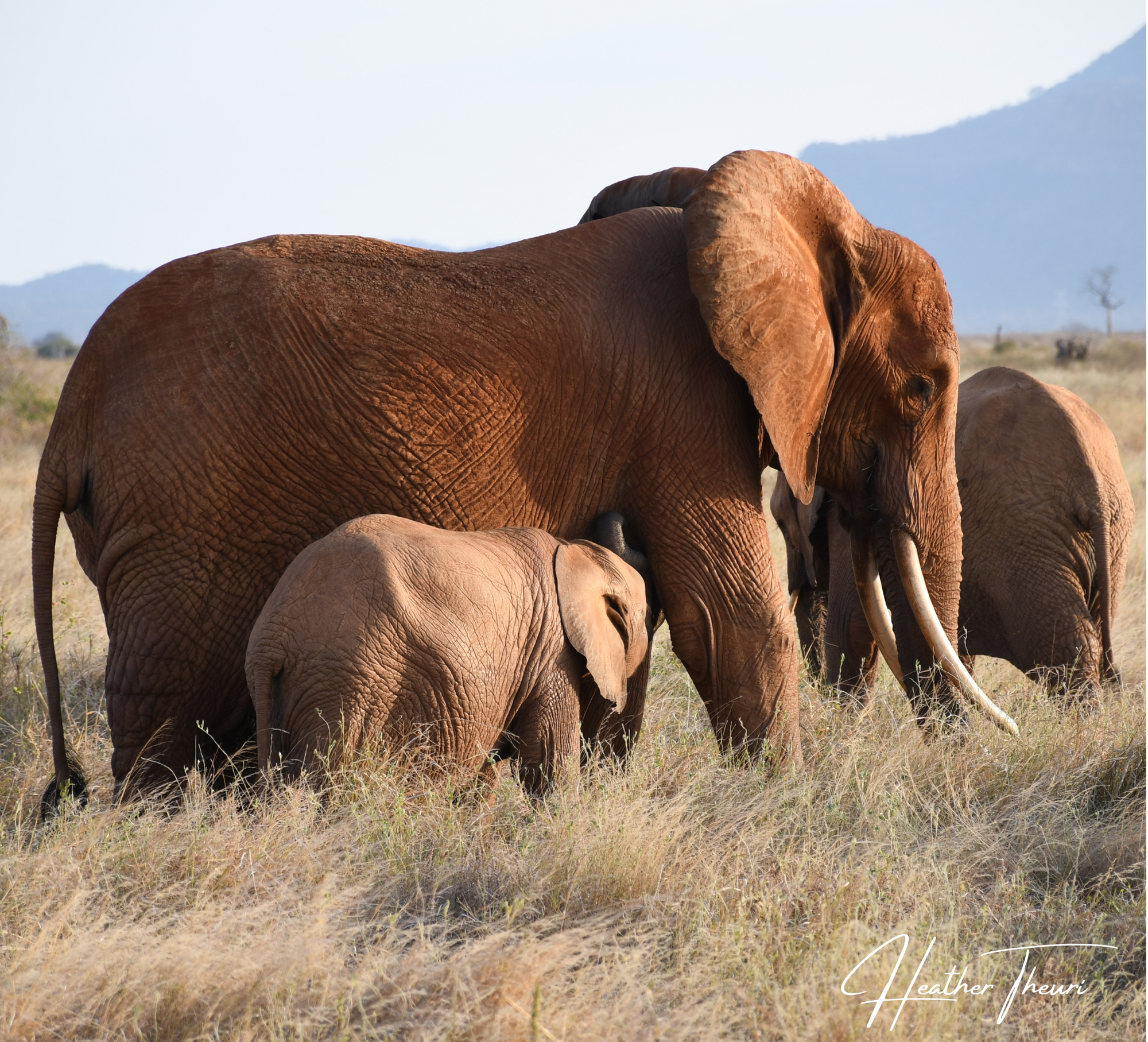
Elephants are born into a world already shaped by women.
Their societies are matriarchal, led by elder females whose memories are libraries of survival. The matriarch remembers distant waterholes hundreds of kilometres away, safe migration paths, and the subtle language of danger carried in the wind.
Motherhood begins long before birth.
With a gestation period lasting 18 to 22 months, the longest of any land mammal, elephant calves spend nearly two years developing the intelligence they will need to survive. Elephants possess the largest brain of any land animal, weighing roughly 4.5 to 5.5 kilograms, containing an estimated 250 billion neurons, three times the neuron count of humans. Their emotional intelligence, self awareness, and problem solving abilities are profound, even recognising themselves in mirrors.
When a calf finally arrives, the herd gathers like a living shield.
Birth often happens at night, cooler, quieter, safer. Within 30 minutes to one hour, a calf weighing 100 to 113 kilograms stands. Within days, it walks with the herd. But independence is an illusion, it is the village of mothers, sisters, and grandmothers that raises the young.
Elephant mothers nurse for 2 to 3 years, sometimes extending to 5 to 10 years, with calves consuming up to 14 litres of milk a day. A mother may give birth only once every 4 to 5 years, a reflection of the immense physical and emotional investment required.
Slow love. Intentional love. Protective love.
Yet 20 to 30 percent of calves do not survive their first year due to predation, drought, disease, and human conflict driven by poaching and habitat loss. With such slow reproduction, every surviving calf matters.
The Orca, Grief, Wisdom, and the Mothers Who Never Let Go...
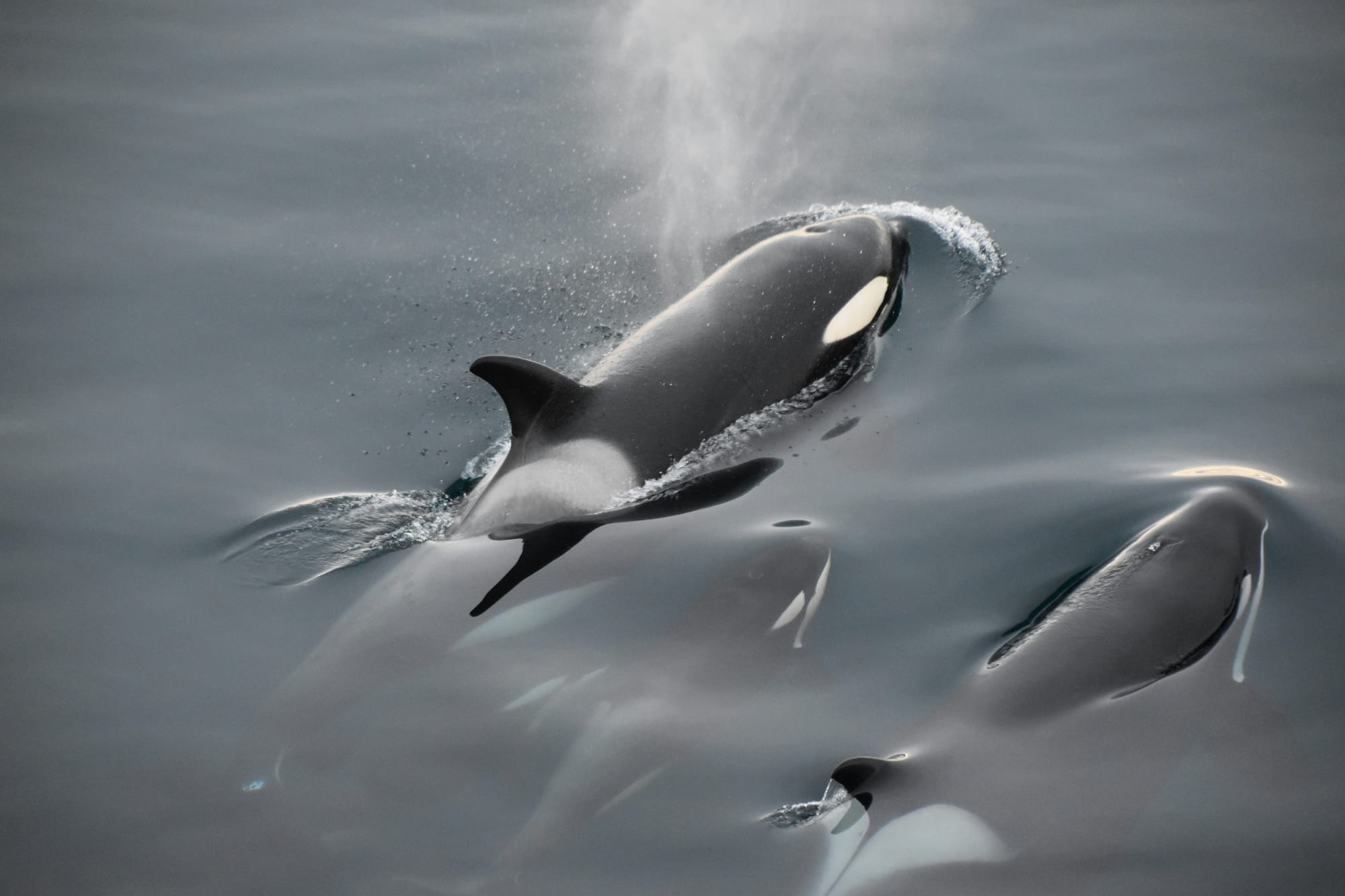
In the ocean, motherhood is carried in sound.
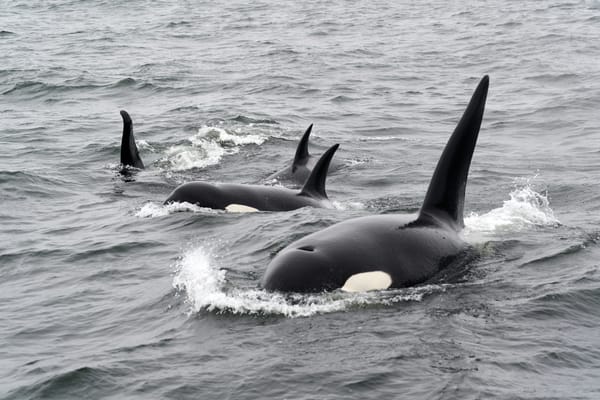
Orcas live in tightly bonded matriarchal pods where knowledge is inheritance, passed through generations of mothers. Hunting strategies, migration routes, dialects, and social rules flow from elder females who serve as the memory keepers of the pod.
A calf enters the world after 15 to 18 months of gestation, born weighing approximately 180 kilograms, often with a soft orange hue before developing the iconic black and white markings.
Mother’s milk is its universe.
For years, calves learn through play, imitation, and constant closeness. Their first five years are a continuous classroom of social learning. In many resident populations, sons remain beside their mothers for life, an enduring testament to maternal bonds.
Few stories capture maternal devotion like Tahlequah, also known as J35 (an Orca of the southern resident community in the northeastern Pacific Ocean). In July 2018, she carried her deceased newborn calf for 17 days across more than 1,000 miles, a global tour of grief. Around day six, as exhaustion set in, other pod members helped carry the calf while she rested, revealing the extraordinary empathy within orca societies.
Tragically, in January 2025, she was again observed carrying another deceased calf believed to have been born prematurely, a second heartbreaking reminder of maternal devotion and loss.
Orcas possess brains weighing up to 6.5 kilograms, among the largest in the animal kingdom, underpinning their advanced cognition, social bonding, and emotional depth.
With mothers typically giving birth only once every five years and calf mortality rates estimated between 35 and 50 percent, some populations, particularly the Southern Residents, face an uncertain future. Even after weaning at 1 to 2 years, calves remain closely bonded to their mothers for life.
Grief shared. Love witnessed. Motherhood honoured.
The Giant Pacific Octopus, The Mother Who Gives Everything
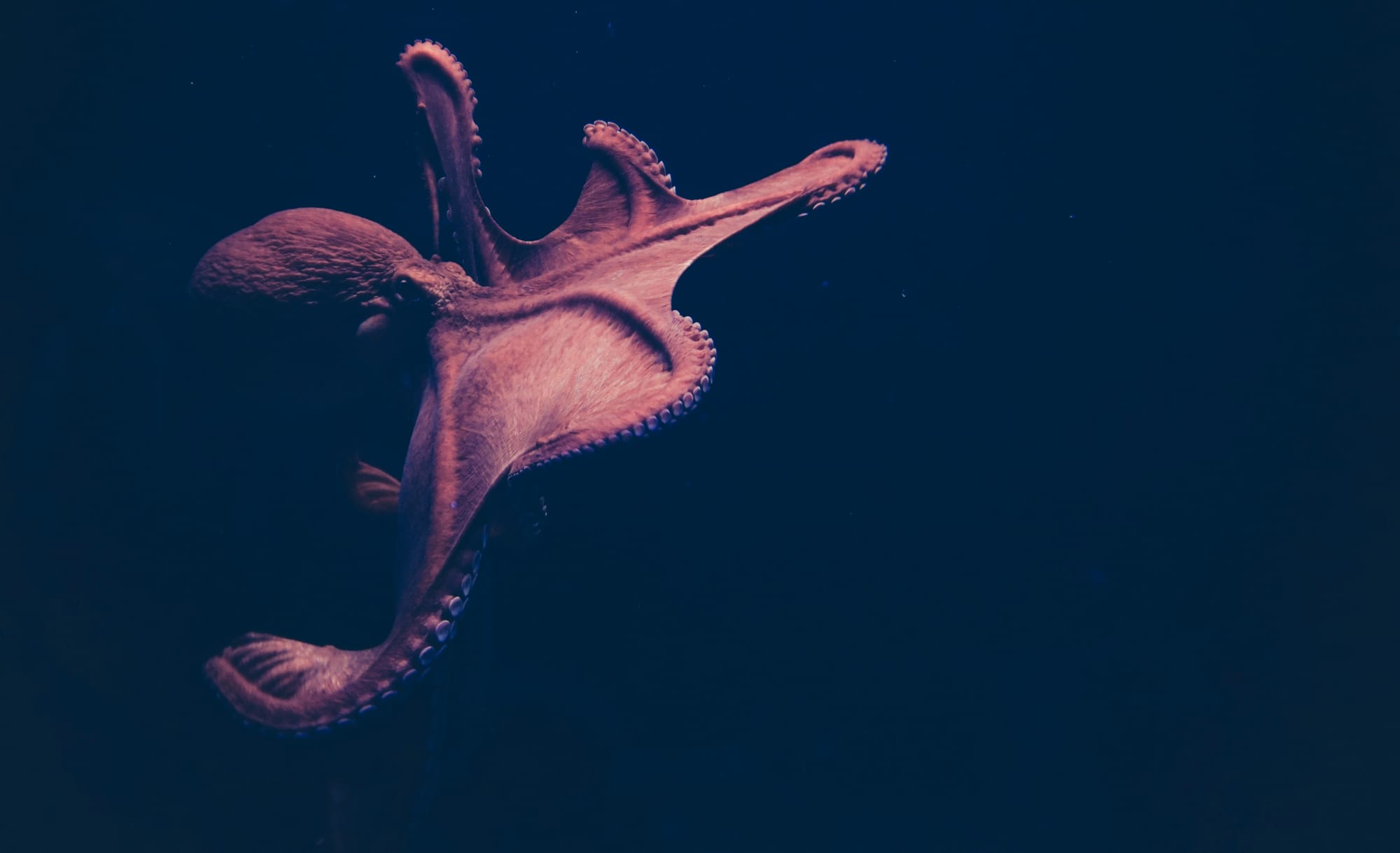
Some mothers protect. Some mothers teach. And some mothers give everything.
The Giant Pacific Octopus, the largest octopus species on Earth, is a creature of astonishing biology, possessing three hearts, nine brains, and blue blood.
Yet its most extraordinary characteristic is, its motherhood journey.
After breeding, the female enters senescence, a hormonal process that redirects her entire existence toward reproduction. Over roughly a week, she lays between 100,000 and 400,000 eggs, delicate rice like strands anchored carefully beneath a protective overhang in her den.
Then she waits.
For five months to a year, she cleans, aerates, and guards the eggs continuously. Hormonal changes suppress her appetite, causing her to lose 50 to 70 percent of her body weight as she refuses food and slowly weakens.
By the time the hatchlings emerge, she has given everything. She dies shortly after.
Her young drift into the ocean alone, independent from their first breath, never meeting the mother whose final chapter was written entirely for them.
It is one of nature’s quietest and most profound sacrifices.
For You, Mum...
Across land, sea, and hidden dens, motherhood wears many faces.
Patience. Protection. Grief. Endurance. Unseen sacrifice.
Nature’s giants remind us that strength is not always loud. Sometimes it looks like waiting. Sometimes like teaching. Sometimes like letting go.
Mum, you may not lead a herd across continents, navigate oceans with sonar, or guard thousands of eggs beneath the sea.
But you have done something just as extraordinary.
You have loved in ways that shaped who I am. You have protected, guided, and believed, often without recognition, often without rest.
And like the mothers of the wild, your impact will echo far beyond what the eye can see.
This piece is for you, one of the greatest gifts of my life.
Happy birthday Mum!
With love and gratitude.
Sincerely,
Blue 💙
References:
NATURE, PBS. (2026, January 9). ORCA (Killer Whale) Fact Sheet | Blog | Nature | PBS. Nature. https://shorturl.at/kOulZ
Wiki, C. T. K. W. (n.d.). J35 Tahlequah. Killer Whale Wiki. https://killerwhales.fandom.com/wiki/J35_Tahlequah
Charters, N., & Fergusson, H. (2025, March 25). The Life of an Orca: The killer Whale – Everything from Birth to Adulthood. Naturaliste Charters. http://naturalistecharters.com.au/blogs/the-life-of-an-orca/
Admin. (2025, January 9). Gestation period of an elephant. Arcadia Safaris. https://www.arcadiasafaris.com/gestation-period-of-an-elephant/
Montague, M. (n.d.). Elephant gestation period longer than any living mammal. https://www.bbcearth.com/news/elephant-gestation-period-longer-than-any-living-mammal
Greensborosciencecenter. (2018, August 16). Octopus eggs and the Story of Senescence. Greensboro Science Center. https://shorturl.at/AtCuZ