The Wildlife in Our Backyard
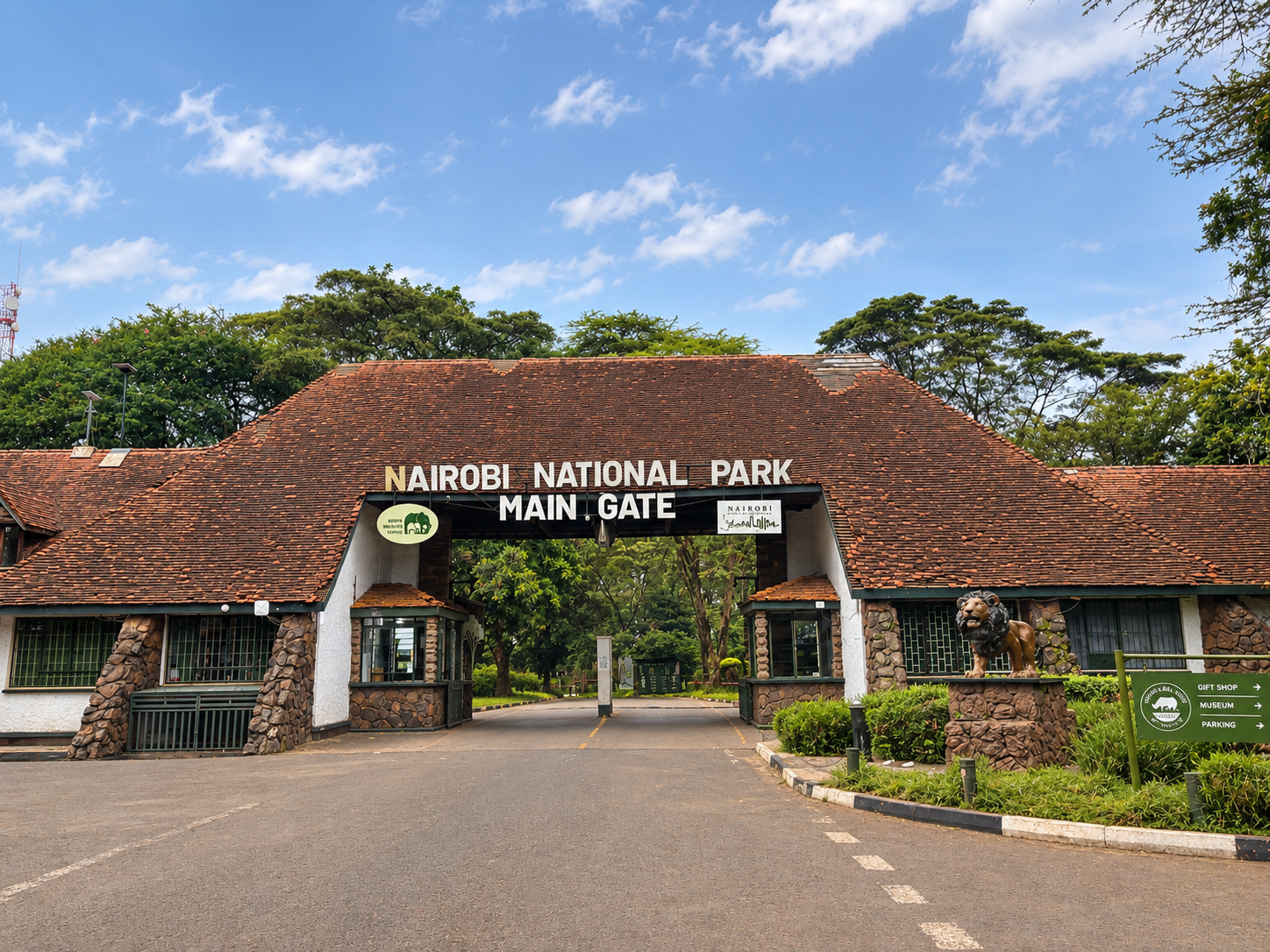
The Nairobi National Park
What's your idea of a perfect weekend?
Mine begins at 6 a.m. at Nairobi National Park.
After a chaotic week at my desk, there's something about driving through the open savannah that feels like a reset button for the soul. The city is barely waking up, the air is crisp, and for a little while, my biggest concern is whether we'll spot a lion or whether the zebras have decided to put on a show.
It's just me, my noble steed, Optimus, rumbling along the dusty roads, and great friends who have become family. Every so often, we spot zebras grazing peacefully, seemingly without a care in the world. And honestly? I envy them a little.
There's also something wonderfully ordinary and extraordinary about preparing lunch in the middle of the savannah. Here we are, unpacking our food and enjoying the outdoors, while planes occasionally roar overhead, reminding us that the rest of Nairobi is very much going about its business.
And then there's the Hippo Pool. Which, for the avoidance of doubt, does indeed have hippos. Imagine that!
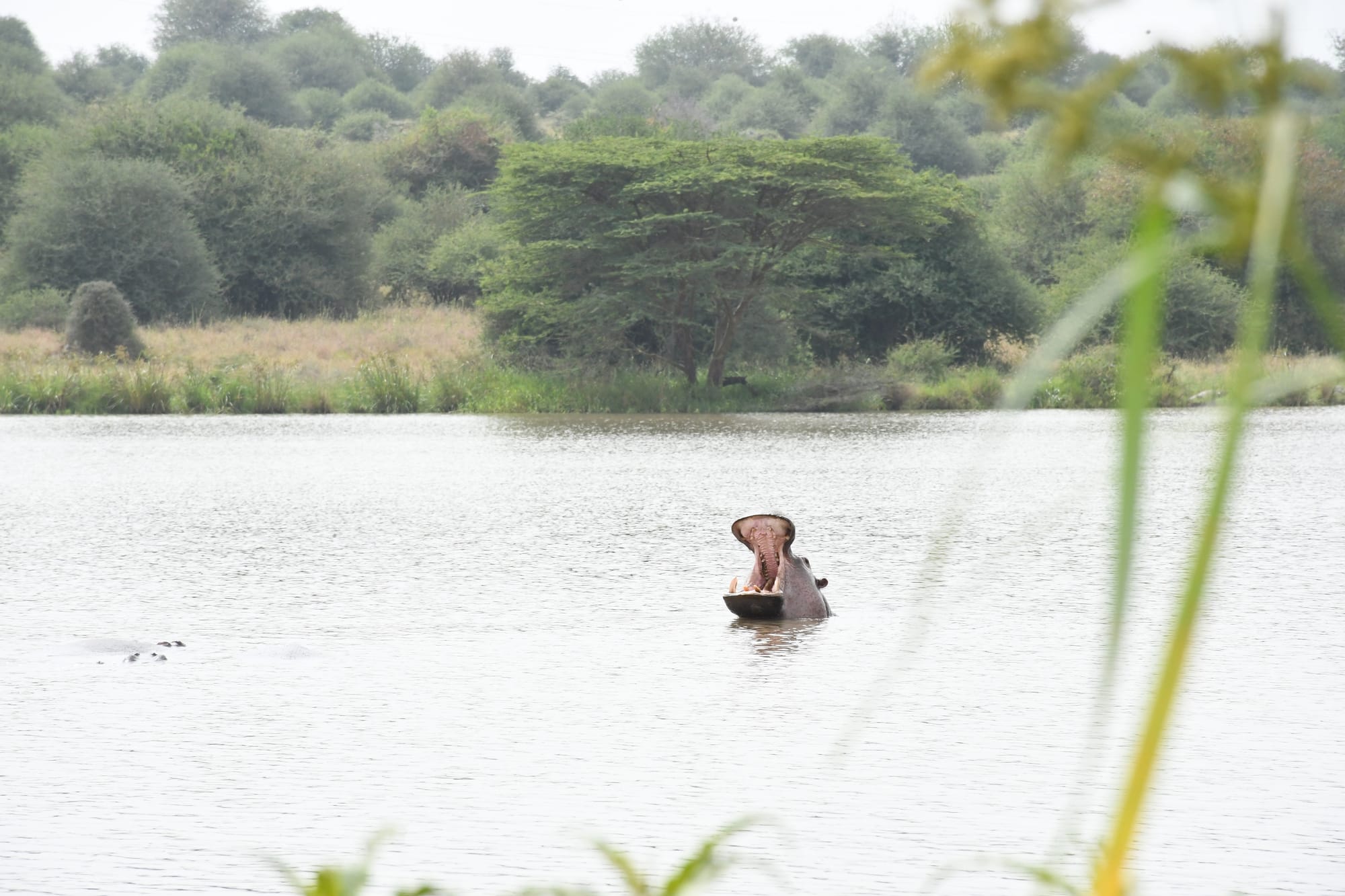
But perhaps my favourite thing about Nairobi National Park is how quickly it reminds you just how unusual this place is. One minute, we're racing down a dusty track with nothing but open grassland around us; the next, I catch a glimpse of Upper Hill on the horizon.
There it is. The city. The traffic, the meetings, the emails, the endless hustle.
And here I am, in the wilderness.
A few kilometres separate the two, yet the difference in feeling is immense. It's a little surreal, really, to have this kind of escape so close to home. We often dream of travelling across the country for a safari, forgetting that one of our most extraordinary wildlife experiences is practically in our backyard.
Nairobi National Park is about 117 square kilometres of open grassland, rocky valleys and riverine forest, sitting just south of the city centre. Gazetted in 1946, it became Kenya's first national park. It is also famously known as the world's only wildlife capital, a distinction that speaks to its remarkable position alongside a major capital city.
Think about that for a moment. We have a national park right next to our capital city. Not somewhere hours away from civilisation, not a destination that requires a flight or an elaborate itinerary. It's right here.
And while I could happily spend an entire morning telling you about my weekend adventures, this little piece of wilderness has a story that deserves to be told.
Because Nairobi National Park didn't simply happen. Someone had to fight for it.
Long before Nairobi became the bustling metropolis we know today, wildlife roamed across the plains south of the city. But as settlements expanded and farmland spread, those open spaces began to shrink.
Enter Mervyn Cowie, a Nairobi-born conservationist who returned to Kenya in 1932 after spending several years abroad. The plains he remembered from childhood were changing, and he was alarmed by how quickly wildlife was losing its home.
He campaigned for its protection, but progress was slow. So, in a rather unconventional move, Cowie decided to provoke the public into paying attention. Writing anonymously under the name “Old Settler,” he suggested that Kenya might as well destroy its remaining wildlife altogether if it was going to prioritise agriculture over conservation.
Now, I wouldn't recommend that as anyone's first communications strategy, but the shock tactic worked. The proposal sparked public outrage and helped force the issue into the political conversation.
On 16 December 1946, Nairobi National Park was officially proclaimed, making it Kenya's first national park. Cowie went on to play a major role in developing the country's national parks system.
It's a curious twist of history: one of Kenya's most important wildlife sanctuaries owes part of its existence to a man who made people confront the uncomfortable alternative, a future in which the wildlife simply wasn't there anymore.
And thank goodness he did.
Because the park would go on to become more than a place to watch animals. It would become part of Kenya's conservation story, with a chapter that would eventually capture the world's attention.
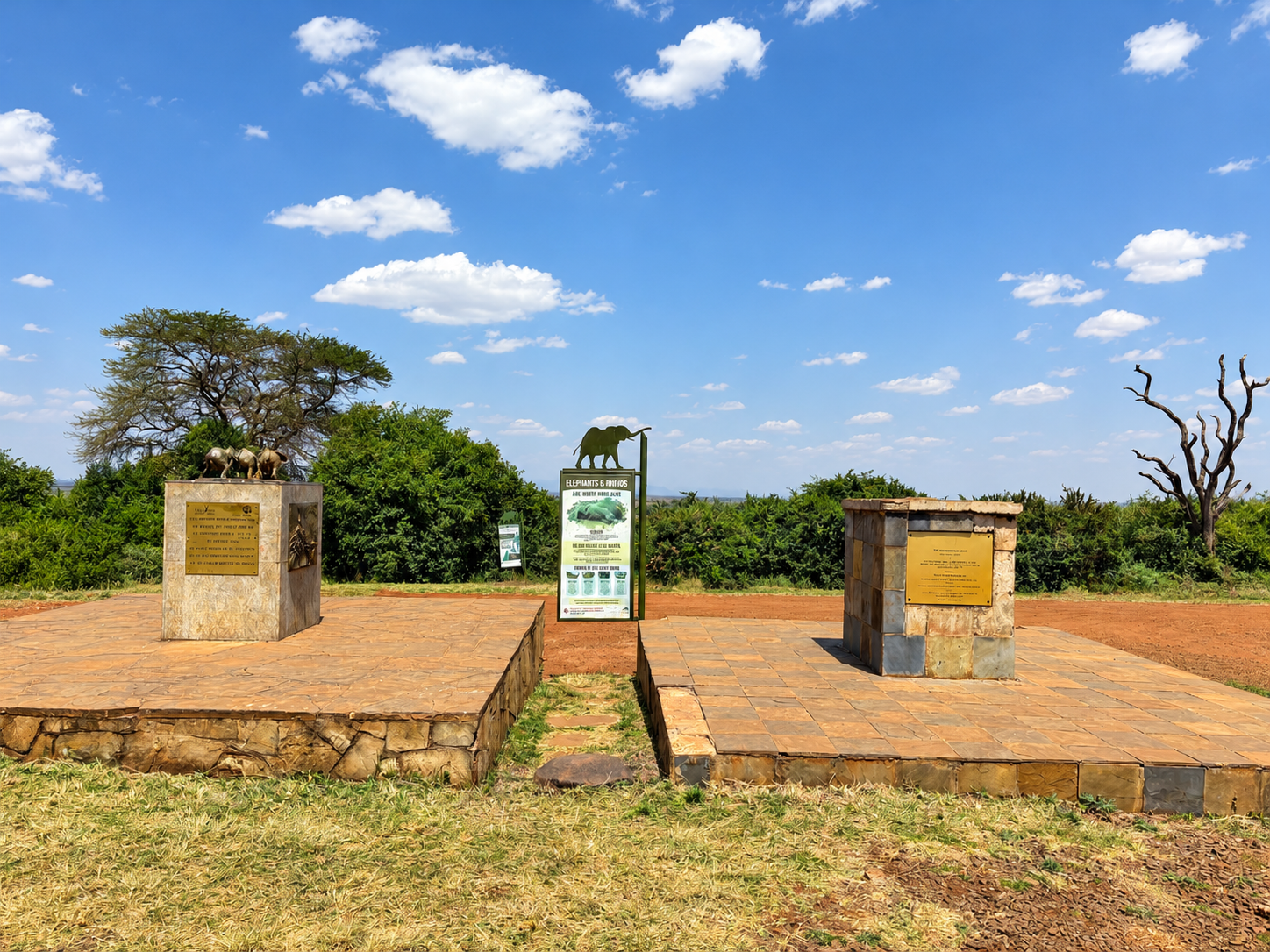
If you've ever visited the park and come across the Ivory Burning Site, you might have wondered why there is a monument to something that was deliberately destroyed.
The answer is a powerful one.
By the late 1980s, elephant poaching had reached devastating levels across Africa. Ivory was worth a fortune, and elephants were paying the price. In Kenya, the crisis was so severe that conservationists needed to make a statement the world could not ignore.
On 18 July 1989, conservationist Richard Leakey helped organise an unprecedented public destruction of confiscated ivory inside Nairobi National Park. President Daniel arap Moi lit the pyre, sending approximately 12 tonnes of ivory up in flames.
Think about the symbolism. A fortune was being destroyed in public, not sold to the highest bidder. The message was simple: Kenya was making a statement that elephants were worth far more alive than their tusks were worth on the black market.
The spectacle made international headlines and helped build momentum for stronger global action against the ivory trade. In 1990, the international trade in African elephant ivory was effectively banned under CITES restrictions.
Then, on 30 April 2016, Kenya made another extraordinary statement at the same site. President Uhuru Kenyatta presided over the destruction of approximately 105 tonnes of elephant ivory and 1.35 tonnes of rhino horn, one of the largest wildlife-product destruction events in history.
That is an astonishing amount of ivory. Behind those piles were thousands of animals whose lives had been reduced to a commodity.
The message from Kenya was unmistakable: the value of our wildlife cannot be measured by what someone is willing to pay for its body parts.
I find something deeply moving about that history. This park, where we now go to unwind with friends, has also been a stage for some of the country's most consequential conservation moments. It has witnessed Kenya take a stand before the world and insist that our wildlife is worth protecting.
And it is not just a symbolic sanctuary. The park continues to play an important role in protecting endangered black rhinos and supporting conservation efforts across the country.
Which brings me to another reason Nairobi National Park deserves our attention.
For a park so close to the city, Nairobi National Park packs quite a punch.
First things first: the skyline. Where else can you watch wildlife against a backdrop of office towers? One minute, you're looking at a giraffe; the next, you're reminded that someone somewhere is probably sitting in a meeting about quarterly targets. Nature and corporate Nairobi, sharing the same view.
It's a rhino stronghold. The park is particularly important for black rhino conservation, helping protect one of our most threatened species. In a world where poaching and habitat loss continue to put wildlife under pressure, that matters enormously.
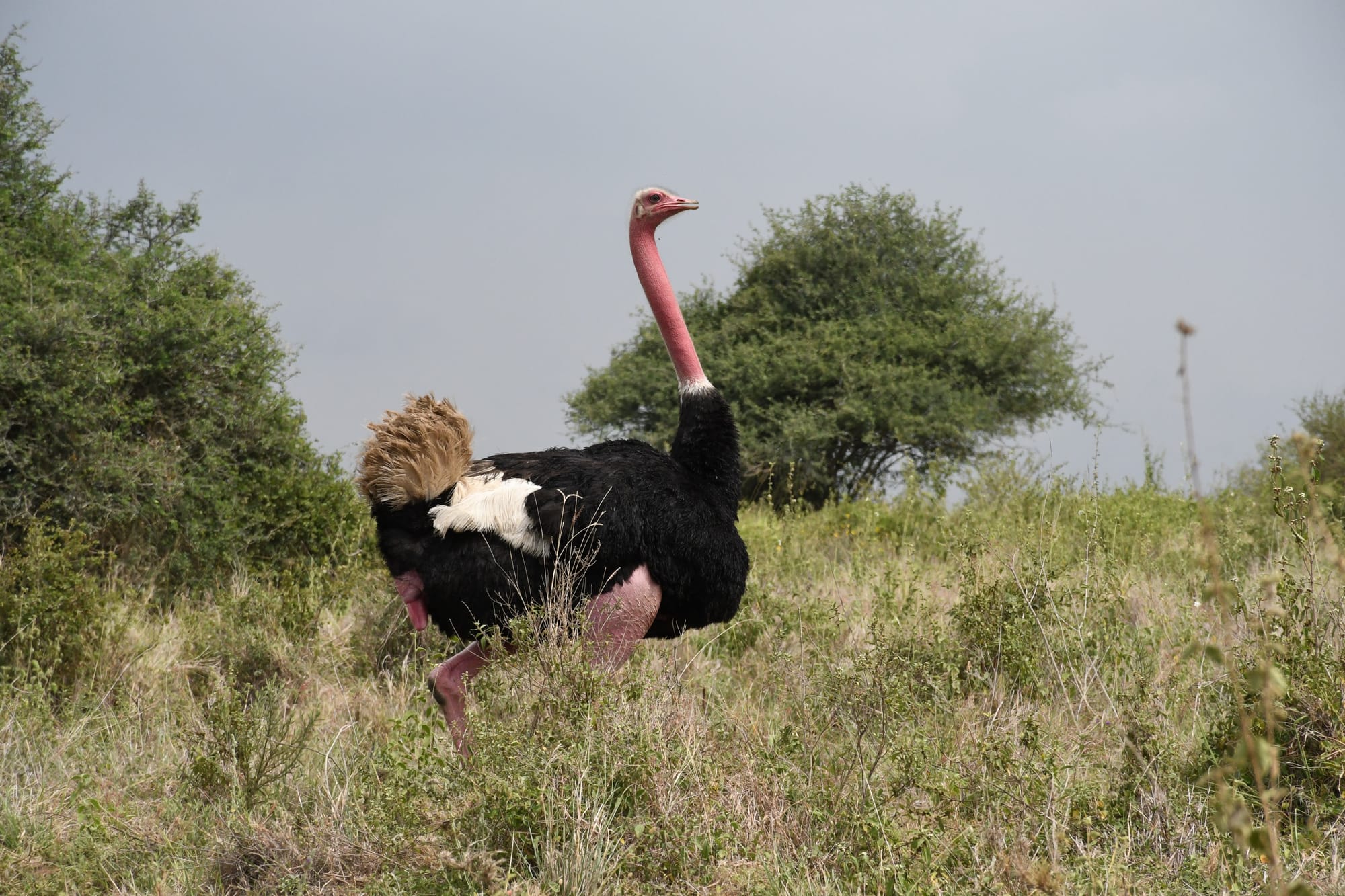
Bird lovers, this one's for you. More than 400 bird species have been recorded in the park. So, even if the lions decide they're not accepting visitors that morning, there's still plenty to look out for.
It's not just grassland. The landscape includes open plains, rocky valleys, scattered acacia, seasonal waterways and patches of riverine forest. Different habitats support different species, making this relatively small area surprisingly rich in biodiversity.
And the southern boundary matters. The park remains connected to the wider Athi-Kaputiei ecosystem through the open southern side towards the Kitengela plains. Animals need space to move in search of grazing and water, particularly as seasons change. That connection is a reminder that wildlife conservation doesn't end at the park gate.
Of course, Nairobi National Park isn't the Maasai Mara, and it doesn't need to be. It offers something different: a chance to experience the wild without having to leave the city behind.
And perhaps that's part of its magic. It makes nature accessible. It reminds us that you don't have to travel halfway across the country to appreciate the extraordinary things Kenya has to offer.
But that accessibility comes with a responsibility. Because the very city that makes this park so unique is also the source of some of its greatest pressures.
Let's be honest: Nairobi is growing, and with that growth comes a constant demand for land, roads, buildings and infrastructure.
Development is necessary. Cities need to function, public facilities need space, and infrastructure has a role to play in our country's progress. But there is a difficult question we must ask ourselves: what happens when development begins to compete with the very spaces we have set aside to protect?
Nairobi National Park is now at the centre of a contentious dispute over proposed infrastructure linked to the Nairobi Animal Orphanage and the Bomas International Convention Centre.
The plans have included a new animal orphanage facility, an access road, a pedestrian bridge and a parking area designed to accommodate approximately 1,300 vehicles. Conservationists and citizen groups argue that the works threaten protected habitat and raise serious questions about environmental approvals, public participation and the use of land within a gazetted national park. The Kenya Wildlife Service, meanwhile, has defended the project and its stated purpose.
The concerns are not trivial. Critics argue that permanent infrastructure, increased traffic, noise and human activity could damage sensitive habitats and put further pressure on an already constrained ecosystem. They also question whether the project has been adequately assessed and whether alternatives outside the park were properly considered.
The dispute has moved into the courts, with thousands of Kenyans joining legal efforts to challenge the development. In June 2026, protests against the project also drew national attention after police dispersed demonstrators and arrested several people, including former Chief Justice David Maraga. As of October 2026, conservation campaigners were still raising concerns about construction and delays in the court proceedings.
It is important to be clear: these are contested plans, and the legal questions and competing claims need to be assessed on their evidence. But the bigger issue extends beyond this one project.
How do we balance the needs of a growing city with our obligation to protect an irreplaceable natural space?
What does progress look like if, in the process of building a better city, we gradually lose the very things that make it special?
And how much land can a national park afford to lose before we stop asking whether each individual development is justified and start asking what the cumulative effect will be?
These are not anti-development questions. They are questions about thoughtful development. About planning for the future.
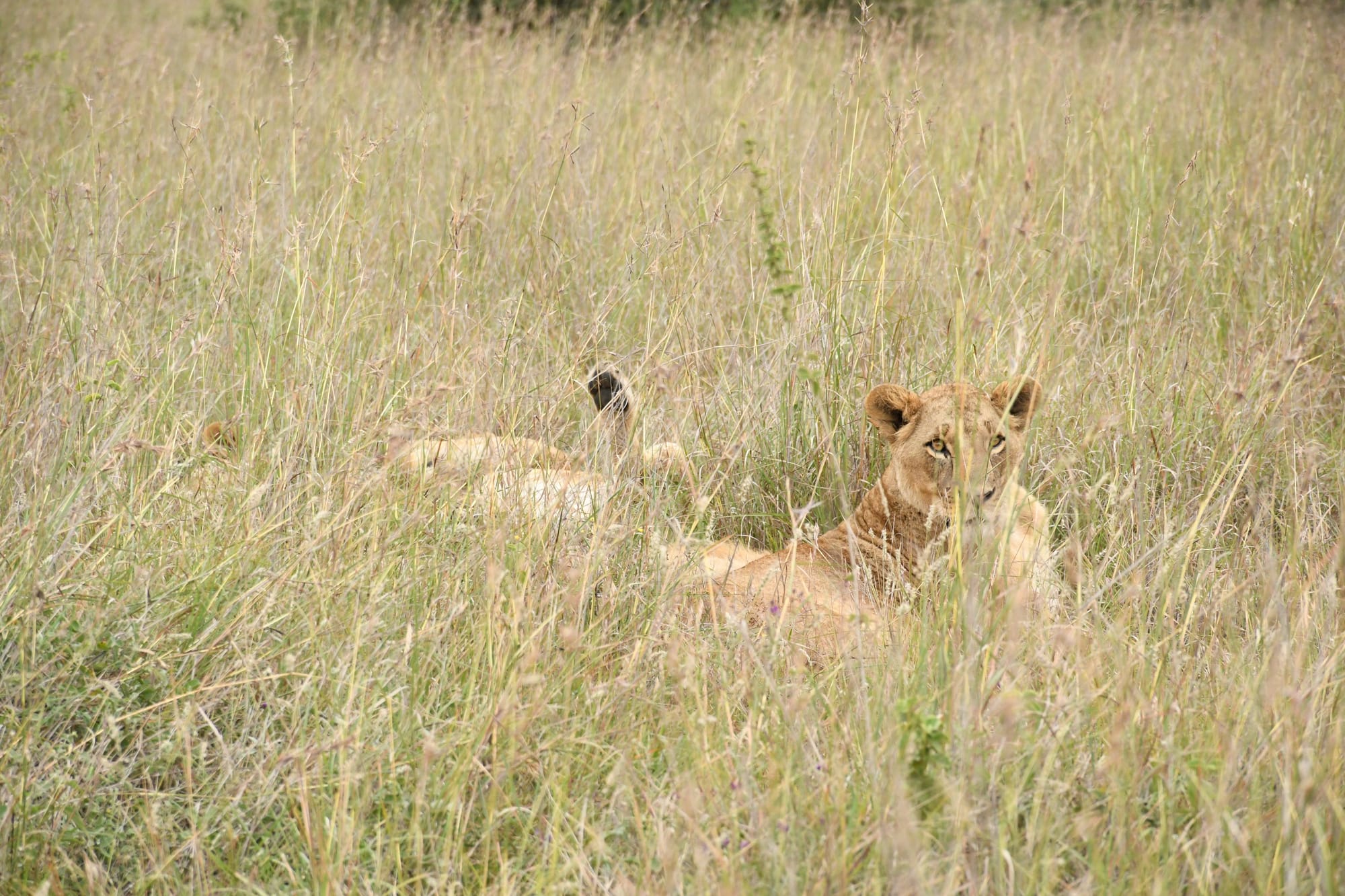
A national park is an ecological system. Its grasslands, forests, waterways and wildlife are connected in ways that may not always be obvious when viewed through the lens of a construction plan.
Once we damage those connections, restoring them may be far more complicated than we imagine.
And that is why the conversation around Nairobi National Park matters to all of us, not just conservationists.
For me, it begins with appreciating what we have.
It is easy to take familiar things for granted. We live in a country blessed with extraordinary landscapes and wildlife, and sometimes the things closest to us become the things we pay the least attention to.
We know the Mara. We know Amboseli. We dream about Samburu, Tsavo and the coast. We save for holidays and plan adventures, and rightly so. Kenya is a beautiful country, and there is so much to explore.
But Nairobi National Park deserves a little of that same enthusiasm.
Visit it. Take your family. Organise that friends' outing you've been postponing. Learn about its history. Stop by the Ivory Burning Site and understand what happened there. Pay attention to the wildlife and the landscapes, and to the conservation work that allows them to survive alongside a growing city.
And when questions arise about the park's future, pay attention to those too. Read the available evidence, follow the legal process, ask questions and support responsible conservation efforts. Caring for our natural heritage is not reserved for scientists or people who spend their weekends in hiking boots.
It belongs to all of us.
Because this is not simply about whether we will have somewhere to go for a game drive on a Saturday morning. It is about the kind of country we want to leave behind.
Will future generations of Nairobians still be able to look beyond the city skyline and see wildlife roaming freely? Will they have the same opportunity to experience that extraordinary contrast between the urban and the wild? Will they understand that this park is part of a much bigger story about our identity, our history and our place in the natural world?
I hope the answer is yes.
There is a moment on almost every visit when I find myself looking out across the plains and thinking about how lucky we are.
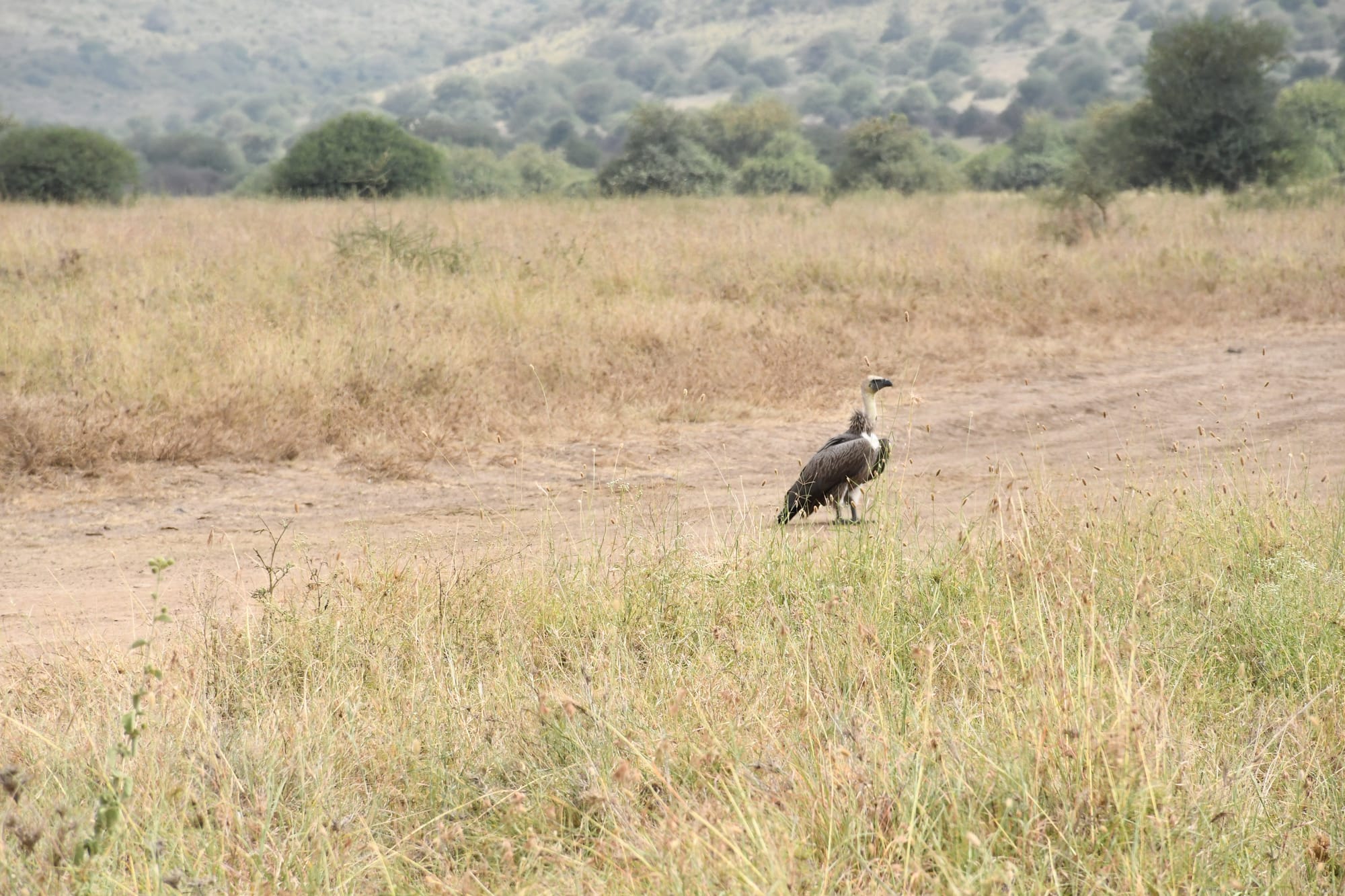
Lucky to have a country where wildlife is woven into our national story. Lucky to have landscapes that can take your breath away. Lucky to have a place where you can spend a morning watching zebras graze and still be back in the city in time to deal with the emails you were trying to escape in the first place.
But luck alone will not protect this place.
Nairobi National Park exists because people once recognised that the wildlife around them was disappearing and decided that something had to be done. It endured because others continued to fight for its protection. And its future will depend on whether we are willing to do the same.
Because, in a country as beautiful as ours, protecting our natural heritage is not a luxury. It is part of how we honour who we are.
And if there is one thing I hope we never lose, it is the ability to look at a place like Nairobi National Park and see it for what it truly is: not an empty stretch of land beside a growing city, but a living, breathing part of Kenya that deserves to be here long after we are gone.
Sincerely,
Blue