More Than Just A Tropical Icon


There is something almost cinematic about the silhouette of a Palm tree.
A single trunk leaning toward the sea. Fronds swaying against a fading orange sky. Somewhere in the distance, the sound of waves, warm wind and the promise of escape. Palm trees have become symbols of paradise, symbols of holidays, luxury and tropical ease. Yet behind their postcard beauty lies one of the most resilient and fascinating plant families on Earth.
Long before humans lounged beneath them on beach chairs, Palms were already shaping ancient landscapes.
Palms have existed for roughly 80 million years, meaning they shared the planet with dinosaurs. Yes! if they could speak, they would tell quite the tale. Even more astonishing is that some of their ancient relatives trace back even further. The Sago Palm, often mistaken for a true Palm, belongs to a much older lineage dating back nearly 280 million years to the Permian Period (an era before dinosaurs even walked the Earth).
These plants have survived mass extinctions, shifting continents and dramatic climatic changes that transformed the world around them. Fossil records suggest Palms once thrived in places that today seem unimaginable for tropical vegetation, including parts of Alaska and Europe. Their ancient distribution tells a powerful story about how radically Earth’s climate has changed over millions of years.
Perhaps that is what makes palms so remarkable: adaptability.
Today, the Palm family, scientifically classified under the Arecaceae family, contains over 2,600 species spread across tropical and subtropical regions of the world. They dominate coastlines, rainforests, deserts and river systems from Southeast Asia to Madagascar, across Africa and the Americas.
And despite the name, not all Palms are technically trees.
Palms are monocots, placing them in the same broad category as grasses, orchids and bamboo. Unlike typical trees, they lack cambium, the layer responsible for producing tree rings and secondary wood growth. This means Palms do not form rings that reveal their age, nor do they thicken in the same way Oak or Cedar trees do. Their structure is entirely different, built more like giant grasses than hardwood trees.
Still, they manage extraordinary feats.
The Quindío Wax Palm, native to the Andes of Colombia and Peru, holds the title of the tallest palm species in the world, soaring up to 60 metres (200 feet) into the misty mountain skies. At the opposite climatic extreme sits the Windmill Palm, a cold-tolerant species capable of surviving snowy mountain environments in China.
Then there is the legendary Coco de Mer palm of the Seychelles, producer of the heaviest seed on Earth, a giant double coconut that can weigh over 20 kilograms.
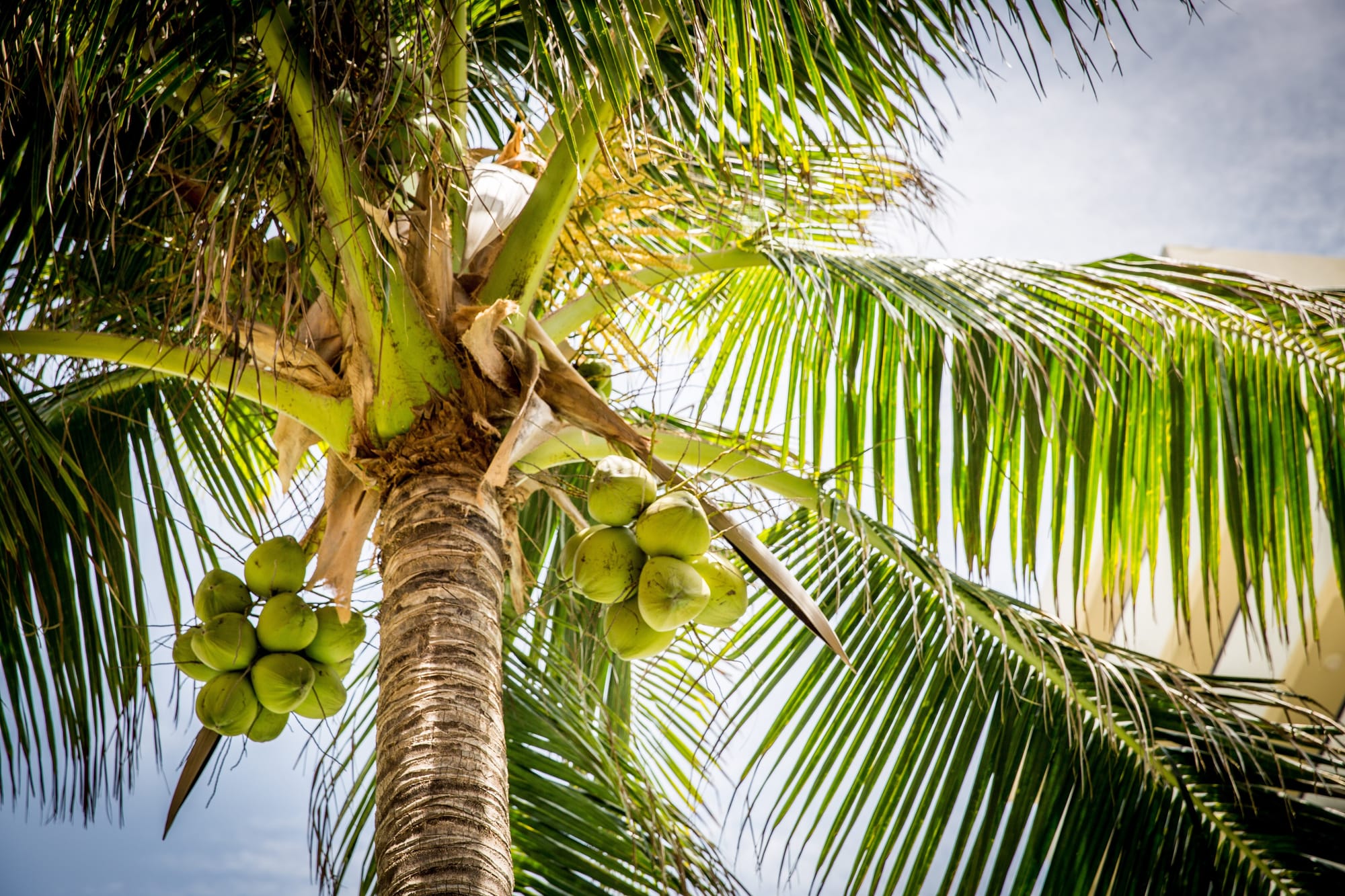
Not all Palms give us coconuts either. That honour belongs specifically to the Coconut Palm. Travel farther into the Middle East and North Africa and another species takes centre stage: the Date Palm, one of humanity’s oldest cultivated plants. Archaeological evidence suggests date palms were first cultivated in ancient Mesopotamia thousands of years ago, becoming essential to survival in desert civilizations.
Human history and palm history are deeply intertwined.
We eat them in more ways than we often realise dates, coconuts, palm oil and even the berries behind the globally adored açai bowl all come from Palms. In parts of South Asia and Africa, sap tapped from certain palm species is fermented into traditional palm wine, known in some regions as Kallu.
Beyond food, palms quietly support ecosystems and communities in countless ways.
Their roots stabilize soil in erosion-prone coastal areas. Their canopies create cooler microclimates beneath intense tropical heat. They reduce wind speeds, regulate humidity and provide shelter for birds, insects and mammals. Many species act as important carbon sinks, helping absorb atmospheric carbon dioxide while supporting biodiversity in fragile habitats.
Some palms also possess medicinal properties used in traditional healing systems across generations.
Yet despite their resilience across geological time, modern palms face growing threats.
Climate change is altering rainfall patterns, intensifying storms and exposing palms to environmental stress they may struggle to adapt to quickly enough. Extreme cold snaps and increasingly violent winds damage species that evolved in stable climates, while rising temperatures can worsen drought stress and fire risk.
Meanwhile, invasive pests such as the Red Palm Weevil continue devastating Palm populations globally by burrowing into trunks and silently killing trees from within. Diseases like lethal bronzing have also emerged as major threats, particularly in ornamental and urban landscapes. Add habitat destruction from deforestation and urban expansion, and many wild palm ecosystems are under mounting pressure.
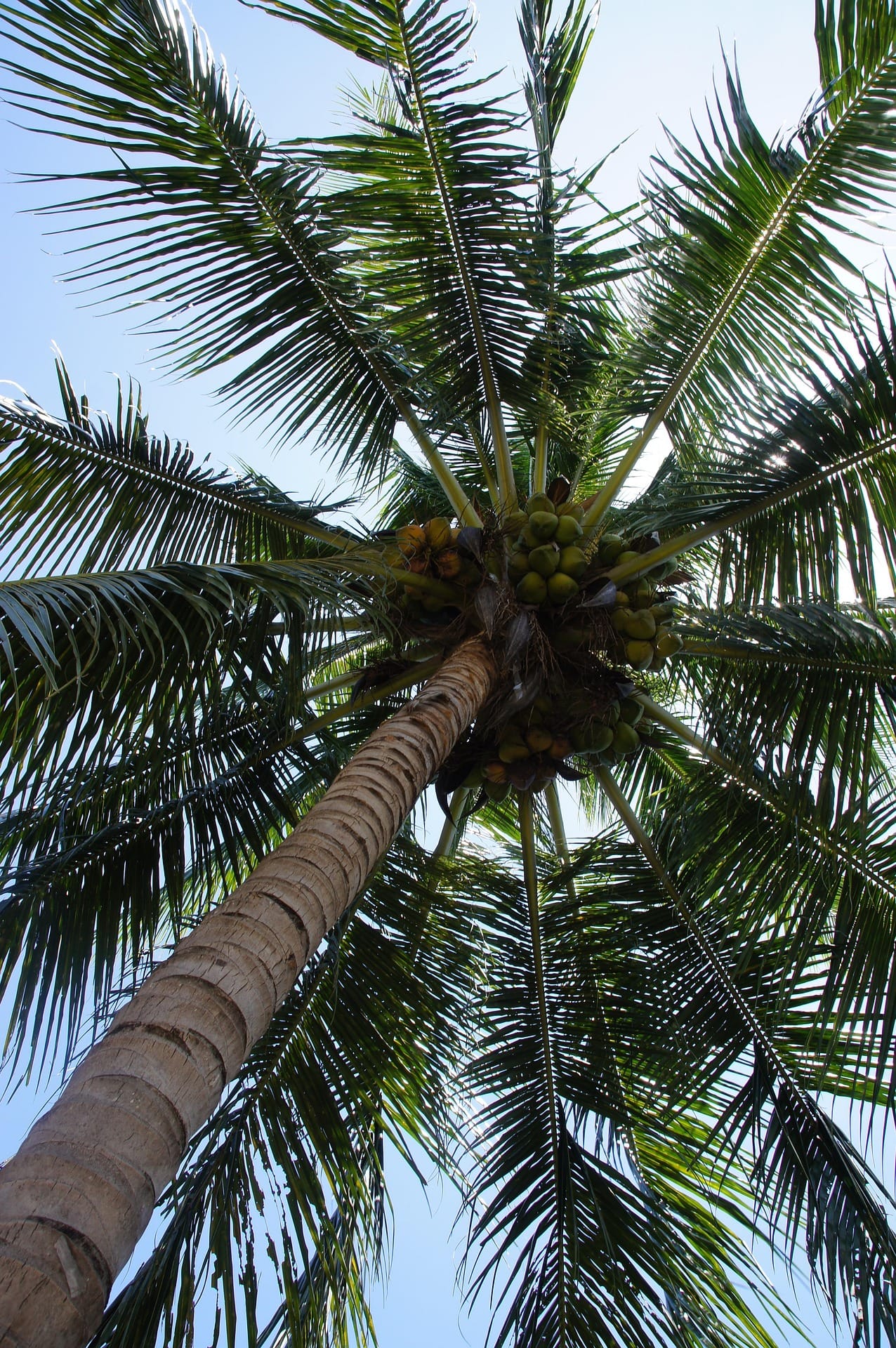
Perhaps the irony is this: plants that survived prehistoric Earth are now being challenged by the speed of human-driven environmental change.
And still, Palms endure.
From Roman symbolism of victory and triumph to spiritual significance within Islamic culture, Palms have long occupied a powerful place in human imagination. They are symbols of rest, abundance, resilience and life in difficult landscapes.
Maybe that is why we are drawn to them so instinctively.
A Palm tree does not simply decorate a place. It changes the atmosphere of it. It softens heat, slows the mind and reminds us even briefly of nature’s ability to make the world feel lighter.
And for a plant family that has witnessed nearly 80 million years of Earth’s story, perhaps that quiet endurance is its greatest wonder of all.
Sincerely,
Blue 💙
Citations
- Encyclopaedia Britannica. (n.d.). Palm. Encyclopaedia Britannica. https://www.britannica.com/plant/palm-tree
- Food and Agriculture Organization of the United Nations. (n.d.). Date palm cultivation. FAO. https://www.fao.org
- Royal Botanic Gardens, Kew. (n.d.). World checklist of palms. Kew Science. https://www.kew.org/science/our-science/projects/world-checklist-of-palms
- University of Florida Institute of Food and Agricultural Sciences. (n.d.). Red palm weevil. UF/IFAS. https://entnemdept.ufl.edu/creatures/orn/palms/red_palm_weevil.htm
- World Wildlife Fund. (n.d.). Tropical forests and biodiversity. WWF. https://www.worldwildlife.org/biomes/tropical-and-subtropical-moist-broadleaf-forests