The History Behind Their Names

If you have ever experienced an African safari, you know this phrase well...
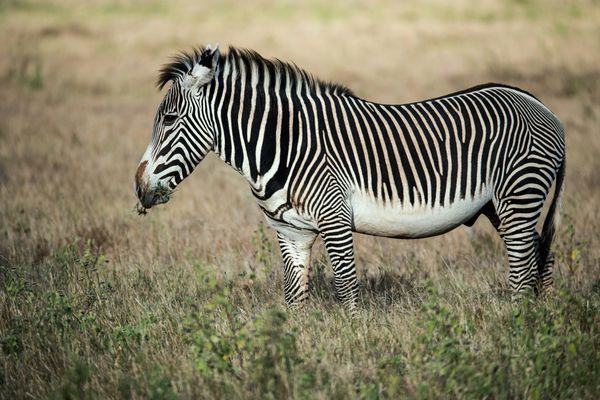
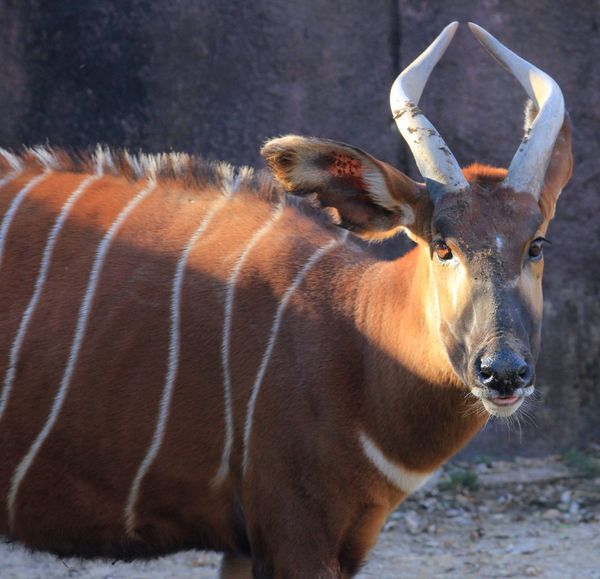
The Big Five.
From the moment you land, it is everywhere. Tour guides speak about it with excitement, safari vehicles carry the promise of spotting them, and curio shops proudly display the words on T-shirts, carvings, and mugs.
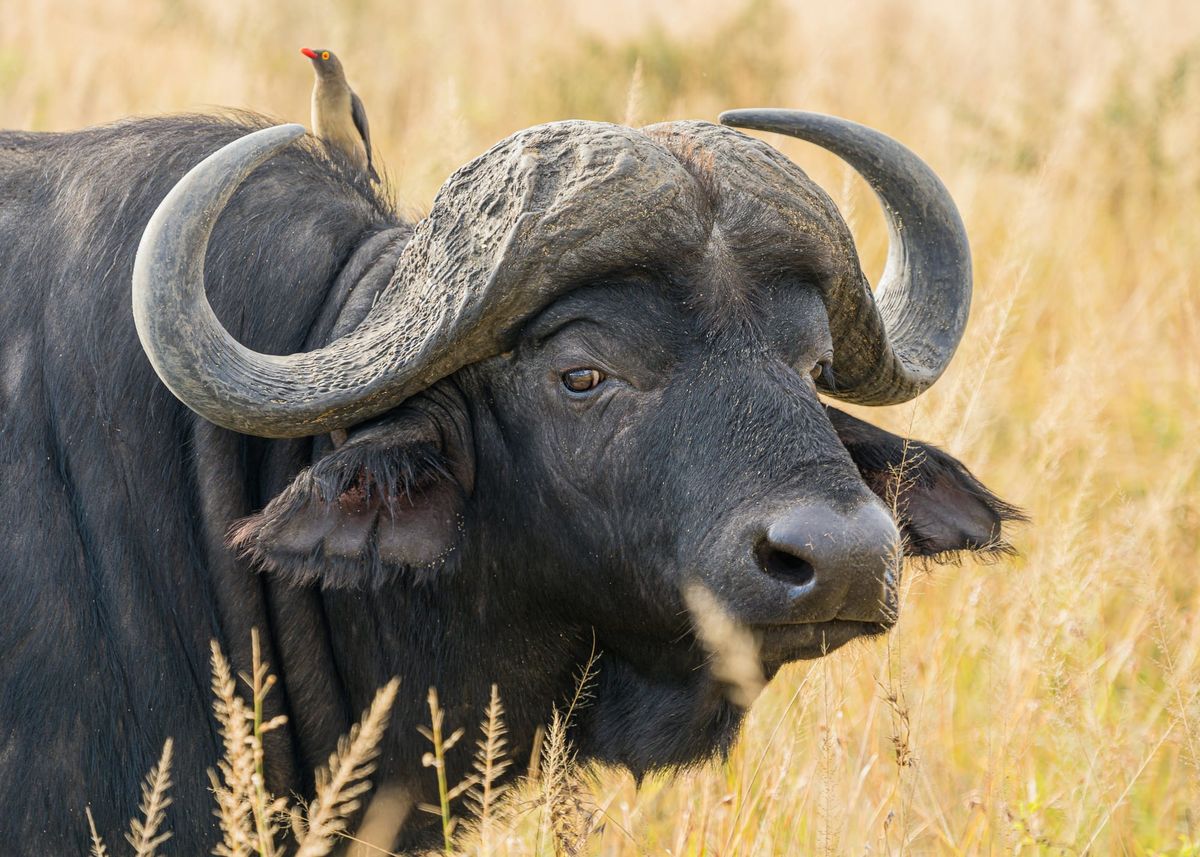
The Lion. The Elephant. The Buffalo. The Leopard. The Rhinoceros.
But have you ever paused and asked yourself, what does “Big Five” actually mean?
Contrary to what many assume, it has nothing to do with the animals’ size.
The term “Big Five” was coined by big game hunters in the late 19th century during the colonial era. It referred to the five animals that were considered the most dangerous and challenging to hunt on foot: the Lion, African Elephant, Cape Buffalo, Leopard, and Rhinoceros.
Bringing down one of these animals became a symbol of status among trophy hunters.
As colonial expansion swept across Africa, firearms allowed foreign hunters to pursue species that had long existed within carefully balanced relationships with Indigenous communities. Hunting these animals became less about survival and more about prestige. The trophies: elephant tusks, lion skins, leopard pelts, found eager buyers in Europe, fueling an exotic trade that rapidly grew in scale.
The consequences were devastating. Relentless hunting and expanding settlement pushed many of these species to the brink.
By the mid-20th century, attitudes toward wildlife began to shift. Conservationists recognized that the only way to protect these iconic animals was not through domination, but through preservation of their habitats and the promotion of responsible wildlife tourism.
Gradually, the meaning of the “Big Five” began to change.
Today, the phrase no longer celebrates conquest. Instead, it represents the breathtaking biodiversity of Africa and the conservation efforts that safeguard it through national parks and wildlife reserves.
Yet long before colonial hunters arrived, these animals held very different meanings.
Across African cultures, lions, elephants, buffalo, leopards, and rhinos were symbols woven into stories, ceremonies, and identity not simply targets to be pursued, but neighbors in a shared landscape.
The North Atlantic Right Whale
From the warm savannahs of Africa, we travel north to the icy waters of the Atlantic Ocean.
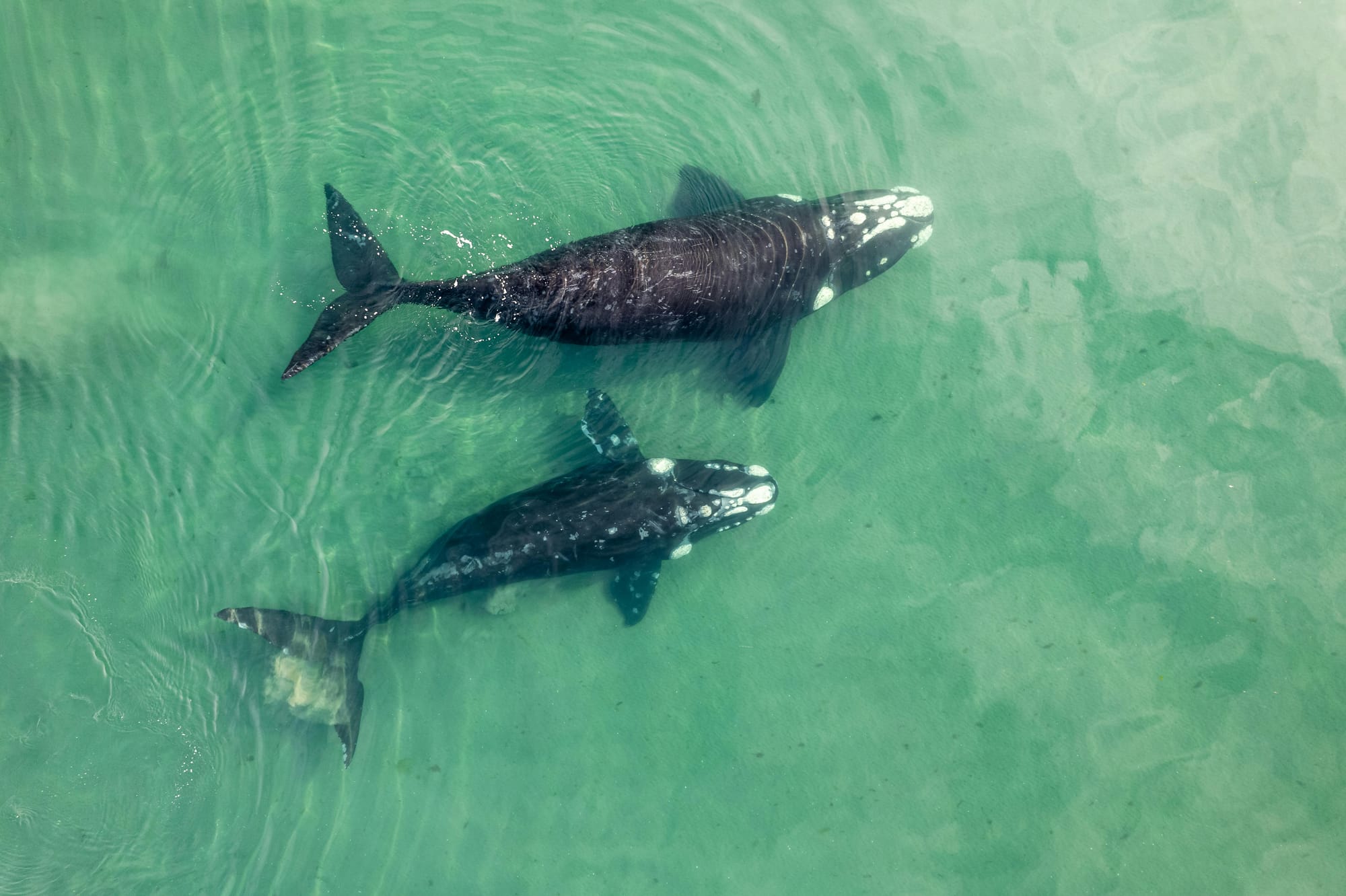
Here we meet another animal whose name tells a story of human exploitation: the North Atlantic Right Whale.
For years, I wondered why it was called the right whale. Was it a directional reference? A scientific classification?
The answer, unfortunately, is far less poetic.
In the 1700s, commercial whalers discovered that this particular whale possessed several characteristics that made it ideal for hunting. It was a slow swimmer, relatively docile, and, most importantly, its thick layer of blubber meant it floated after being killed rather than sinking into the ocean depths. Which made it easy to pull ashore.
To whalers, this made it the “right” whale to catch.
And just like that, another species was named based on its commercial value and hunting convenience.
A single right whale could produce over 40 barrels of oil, used for fuel, lamps, and soap. Its baleen (the flexible plates in its mouth) was highly sought after for making items such as corsets, umbrella ribs, and carriage springs.
The demand was relentless.
As was often the case, exploitation pushed the species to the edge of extinction. Today, the North Atlantic Right Whale remains classified as endangered, with only a few hundred individuals left in the wild.
In 1935, an international agreement officially banned hunting right whales. While their populations have slowly begun to recover, they continue to face modern threats, particularly collisions with ships and entanglement in fishing gear.
Their name, however, remains a haunting reminder of the era that nearly erased them.
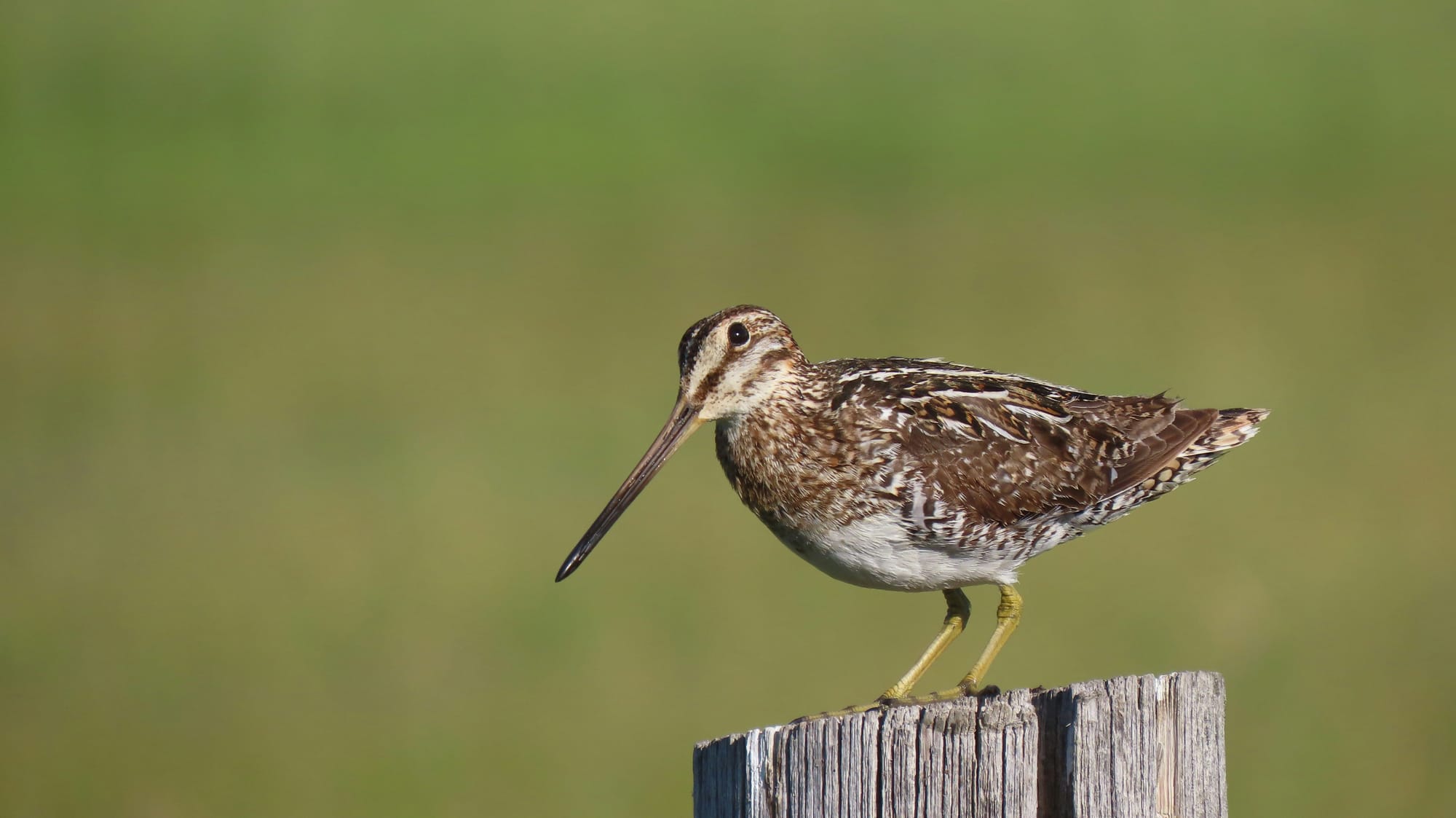
The Snipe
Now we turn our gaze upward, toward the skies.
Meet the Common Snipe, a small wading bird that inhabits marshes and wetlands across the world.
At first glance, the snipe might seem unremarkable. Its brown, streaked plumage blends perfectly into reeds and grasses, making it almost invisible against its surroundings.
But this bird has mastered the art of survival.
When danger approaches, the snipe relies on stillness and camouflage, remaining perfectly motionless until the last possible moment. Only when the threat is nearly upon it does the bird suddenly explode into flight with a sharp, startling call.
And once airborne, the real challenge begins.
The snipe flies in an incredibly fast zigzag pattern, twisting and darting unpredictably through the air at speeds that can reach nearly 60 miles per hour. For hunters, hitting such a target required exceptional skill.
So difficult was the task that in the 1770s, British soldiers stationed in India began using the term “to snipe” to describe the act of shooting the elusive bird.
A hunter who could successfully hit a snipe was known as a sniper. What we also know as a skilled marksman.
All because of a small bird that refused to fly in a straight line.
Names carry history...
Sometimes they tell us about the animals themselves, their habits, their habitats, their remarkable adaptations.
Other times, they reveal something about us.
The words Big Five, Right Whale, and Sniper are more than simple terms in wildlife vocabulary. They are reminders of the complex and often uneasy relationship between humans and the natural world.
They speak of eras of conquest and exploitation, but also of transformation of how our understanding of wildlife has evolved from domination to stewardship.
The next time you hear these phrases, they will mean something more, reminding us how deeply language and the wild are intertwined.
Sincerely,
Blue 💙
References:
BiologyInsights Team. (2026, January 10). What Is a Snipe? The Elusive Wading Bird Explained - Biology Insights. Biology Insights. https://biologyinsights.com/what-is-a-snipe-the-elusive-wading-bird-explained/
Dimitra. (2026, January 9). The Story of the Big Five, Africa's Wildlife Legends. Aquila Private Game Reserve. https://aquilasafari.com/the-story-of-the-big-five/
International Fund for Animal Welfare. (2023, May 24). how right whales got their name. IFAW. https://www.ifaw.org/international/journal/how-right-whales-got-their-name#:~:text=North%20Americans%20star