Grevy’s Zebra: The Role of Indigenous Knowledge in Wildlife Conservation

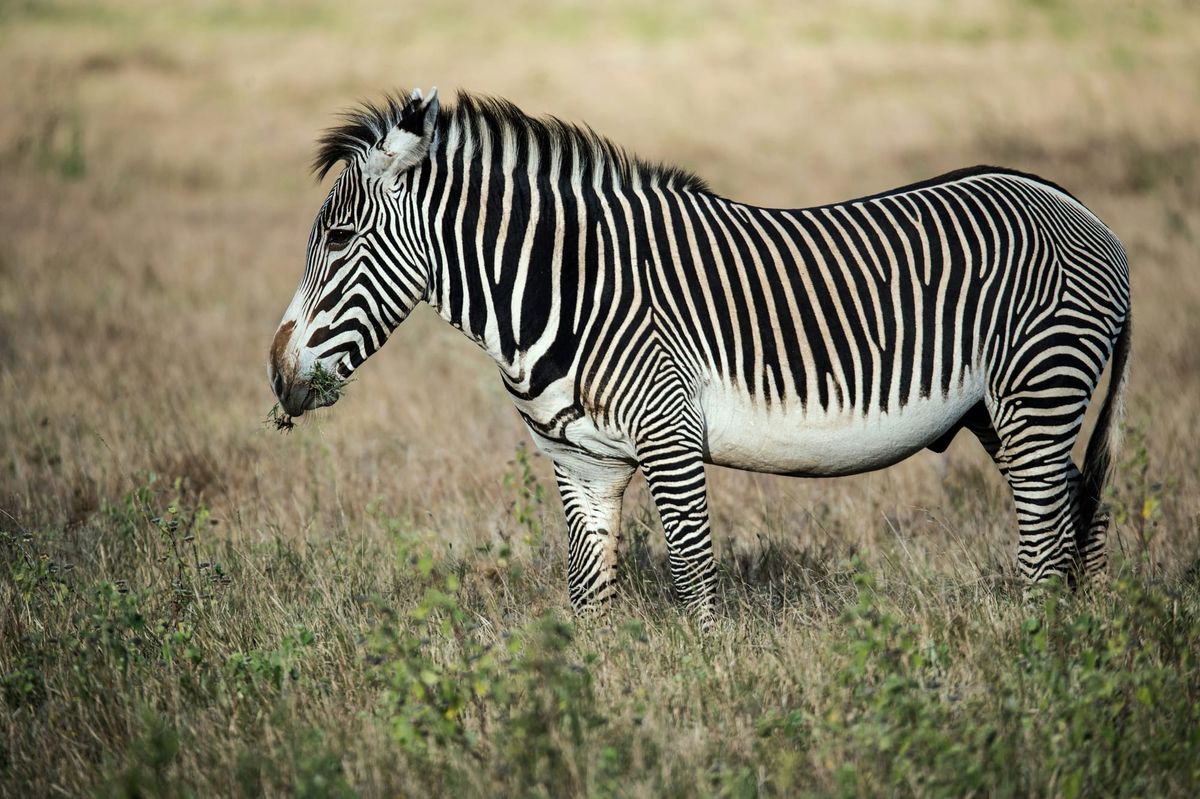
This is not only the story of an endangered species. It is the story of the people who have safeguarded it for generations. A story of coexistence. A story of hope. A story of the world’s rarest zebra that calls northern Kenya home.
Across the open, ochre plains where northern Kenyan communities have lived for centuries, the Grevy’s Zebra has never been just another animal. Its presence is woven into memory, movement, and meaning. Elders recall the patterns of their migrations the same way they recall the stars. Knowledge passed quietly from one generation to the next, carried through stories, song, and lived experience.
Long before conservation plans, monitoring frameworks, or species action strategies existed, communities here understood the rhythms of the Grevy’s: where they calve, where they walk in the dry months, which wells they return to when the land tightens with drought. They learned these truths not from textbooks but from living with the land, reading it, respecting it.
The journey of its name stretches far beyond the northern plains. While communities here have always known the Grevy’s Zebra through their own languages and lived experience, its scientific name came from an unexpected moment in history. In 1882, Emperor Menelik II of Abyssinia (modern-day Ethiopia) sent a zebra as a diplomatic gift to French President Jules Grévy. Its tall, narrow stripes and keen, mule-like ears caught the attention of a French zoologist who recognised that this was a species unfamiliar to European science. In honour of the president who received it, he formally recorded it as Equus grevyi. A single exchange between empires gave the animal its scientific name, but its true identity has always been held first by the people who share the land with it.
Today, the Grevy’s Zebra remains one of the world’s most endangered large mammals. Its survival is not a miracle of science alone; it is a testament to community involvement. People and wildlife co-existing in a space shaped by both challenge and resilience. In the late 1970s, global populations stood at an estimated 15,000. Now, barely over 3,000 remain, about 2,800 in Kenya and fewer than 300 in Ethiopia. Their decline began with hunting for skins, which drove steep losses before Kenya’s total hunting ban in 1977.
Since then, habitat degradation, shrinking water access, competition with livestock, disease, infrastructure expansion, and subsistence poaching have continued to pressure the species.
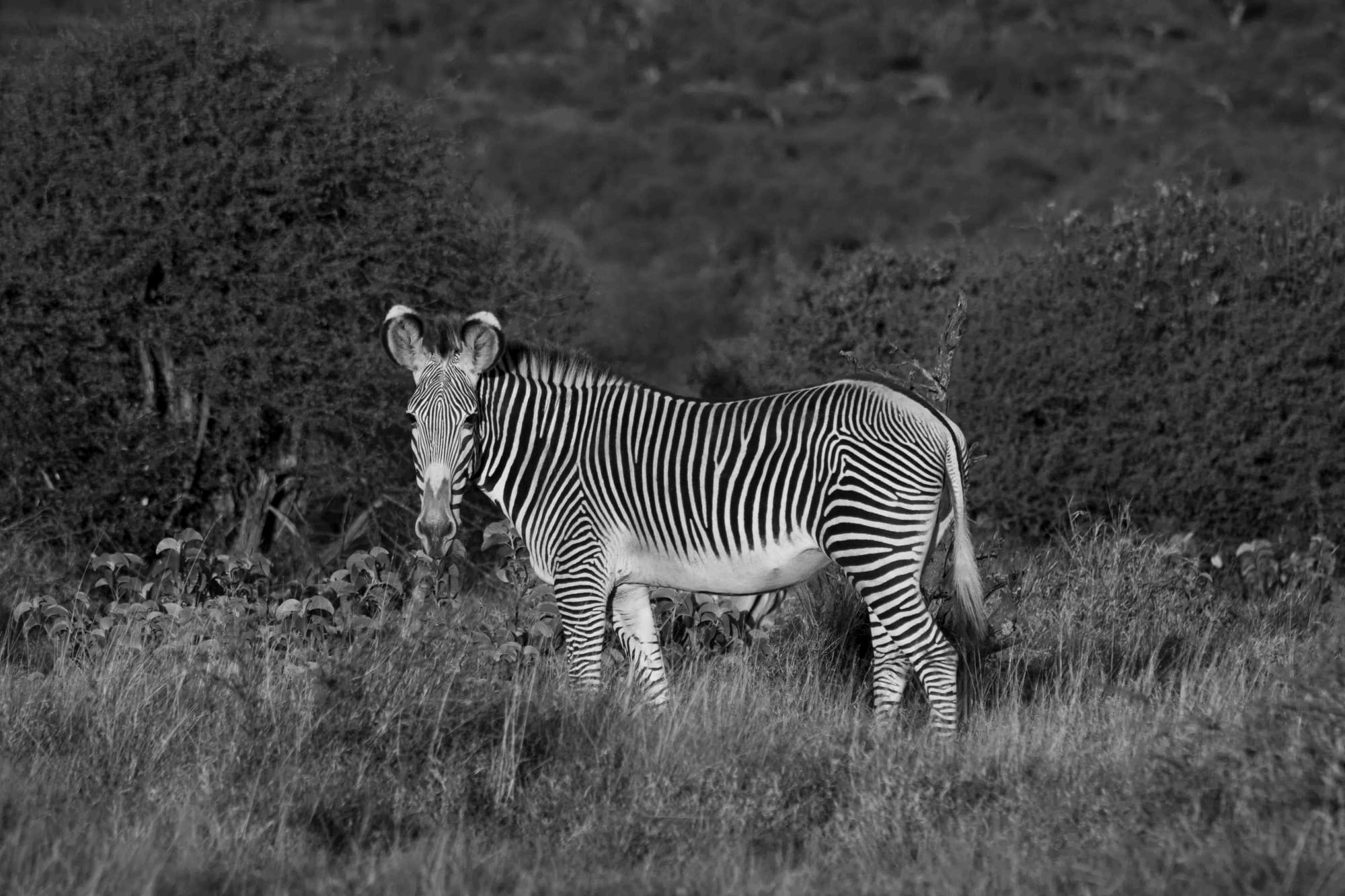
Yet even in this fragile moment, there is hope. Much of the Grevy’s Zebra range lies outside protected areas, on community-managed land. And it is here, on these ancestral landscapes, that some of the most powerful conservation work is unfolding. Through grazing block rotations, short-term boma movement to heal degraded land, the creation of buffer zones, and improved water management, communities are restoring rangelands not only for livestock but for wildlife as well. Their decisions are informed by Indigenous knowledge, strengthened by social science, and grounded in lived experience. This is what makes the Grevy’s Zebra story profound; conservation shaped not by imposition, but by community engagement.
There are many initiatives supporting its survival is the one of which is the Grevy's Zebra Trust; the only organization in the world solely dedicated to protecting the Grevy’s Zebra, whose work amplifies these community efforts.
Where community leadership grows, conservation strengthens. Today, northern Kenya is home to seventeen community conservancies and three county conservancies within Grevy’s range, places where the species’ survival is directly tied to local governance, local benefit, and local pride.
In all these efforts, a quiet truth emerges: the survival of the Grevy’s Zebra is not simply a scientific achievement. It is a cultural one. A human one. A testament to knowledge passed down through generations, and to a people who understand that wildlife is part of the same land that sustains them. The story of the Grevy’s Zebra is still being written, shaped daily by those who know its value not in numbers, but in heritage.
At its heart are the communities who have always kept its memory alive, its observers, its protectors, its storytellers.
Sincerely,
Blue 💙
References:
Grevy’s zebra, facts and photos. (n.d.). Animals. https://www.nationalgeographic.com/animals/mammals/facts/grevy-s-zebra
Mackey, B. (2024, October 17). Strengthening conservation through community engagement and social science integration. Grevy’s Zebra Trust. https://www.grevyszebratrust.org/2024/10/strengthening-conservation-through-community-engagement-and-social-science-integration/
Mackey, B. (2024a, January 5). Creating community conversations about conservation. Grevy’s Zebra Trust. https://www.grevyszebratrust.org/2023/11/creating-community-conversations-about-conservation/